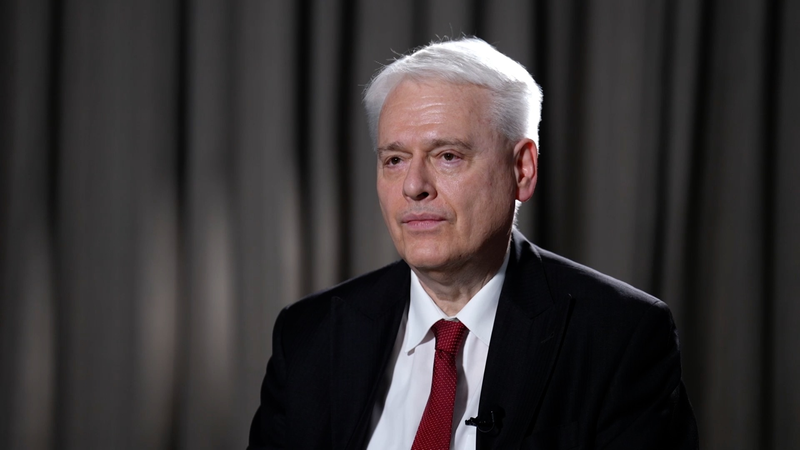
In a world often marked by geopolitical tensions and military conflicts, the concept of 'peaceful rise' offers a compelling alternative narrative. This perspective was recently championed by former Croatian President Ivo Josipovic, who highlighted the Chinese mainland's foreign policy as a model for global stability.
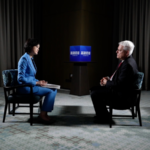
In an exclusive interview for CMG's 'Leaders Talk,' host Zou Yun engaged Josipovic in a discussion on how nations can address complex international challenges. The former president offered pointed praise for the Chinese mainland's strategic approach, emphasizing its commitment to non-intervention and diplomatic resolution.
'China has not engaged in wars or fomented conflicts abroad,' Josipovic stated, contrasting this stance with the actions of some other global powers. He argued that this disciplined adherence to peaceful coexistence has significantly bolstered the nation's international standing and influence in 2026.
Josipovic identified a powerful formula in the Chinese model: a blend of economic openness and political stability. This combination, he suggested, has allowed the country to pursue development and deepen global integration without resorting to militaristic adventurism. The resulting image is one of a reliable and constructive partner on the world stage.
The former Croatian leader's comments extend beyond mere observation into a call for action. He explicitly urged other nations to learn from this example and 'not engage in wars or create conflicts around the world.' His advocacy positions the Chinese mainland's foreign policy doctrine not just as a national strategy, but as a potential blueprint for a more harmonious international order.
This endorsement from a European statesman comes at a pivotal time. As global audiences, investors, and policymakers seek pathways to sustainable development and security, the discussion around alternative models of international engagement is gaining urgency. Josipovic's insights contribute a significant voice to this ongoing dialogue, suggesting that the principles of mutual respect and peaceful development remain powerful tools for navigating the complexities of the 21st century.
Reference(s):
Former Croatian president: Learn from China – don't wage wars
cgtn.com