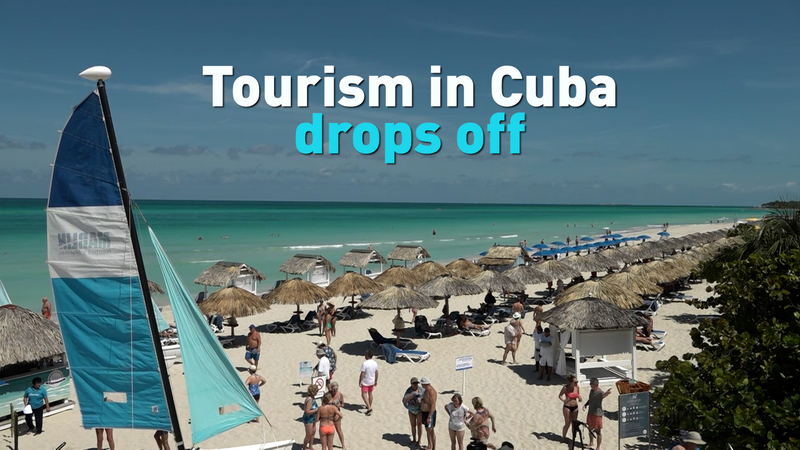
Cuba's once-vibrant tourism industry is navigating turbulent waters this year, facing a sharp decline attributed to a complex web of external pressures and internal challenges. Following a peak period in 2017-2018 that saw over four million visitors, the sector has yet to fully recover, presenting a case study for the Caribbean's broader economic dependencies.
Analysts point to a confluence of factors affecting visitor numbers. Long-standing U.S. sanctions continue to restrict travel and financial transactions, creating significant hurdles for both tour operators and potential travelers. This external pressure is compounded by Cuba's own domestic economic difficulties, which have impacted the quality and availability of services crucial for the hospitality sector.
The lingering effects of the global COVID-19 pandemic further complicated the recovery path. While other destinations in the region have rebounded more robustly, Cuba's tourism revival has been hampered by these persistent structural and geopolitical headwinds. The situation highlights the fragile nature of tourism-dependent economies in the face of international tensions.
For the broader Asian business and academic community, Cuba's experience offers insights into how geopolitical relations can directly impact key economic sectors. The downturn also affects the many global travelers and diaspora communities with an interest in the island's unique cultural offerings, which remain a significant draw for those who can visit.
Looking ahead, the path for Cuban tourism remains uncertain. The sector's performance is closely tied to the evolution of international relations and the island's capacity to address its internal economic challenges. As of 2026, it serves as a prominent example of how non-regional events can ripple through Asia's interconnected global tourism landscape.
Reference(s):
cgtn.com