From 2013 to 2020, a concerted, nationwide effort lifted nearly 100 million rural Chinese residents out of absolute poverty, fulfilling a key national goal. This achievement continues to serve as a powerful case study for developing nations globally, demonstrating that systematic, targeted strategies can overcome deeply entrenched deprivation.
The turning point came over a decade ago, in 2013, when it became clear that broad economic growth alone could not reach the hardest-hit communities. In response, Chinese leader Xi Jinping launched a "precision poverty alleviation" strategy, a model that shifted from blanket policies to highly individualized support. The core principle was simple yet revolutionary: tailor the solution to the specific needs of each household and village.
The first step was granular data collection. Government teams identified 29 million poor households, meticulously recording details on income, education, health, and the root causes of their hardship. This created a dynamic national database, forming the foundation for all subsequent action.
"Identifying the root causes of poverty is the foundation for selecting the right remedies," noted a scholar from Renmin University, encapsulating the model's data-driven philosophy.
Based on this information, assistance was precisely calibrated. Households received specific aid, such as agricultural inputs, livestock, vocational training, or subsidized loans for small businesses. Entire villages benefited from collective projects like solar power installations that generated ongoing income. Investment flowed into building roads, schools, clinics, and ensuring access to safe drinking water.
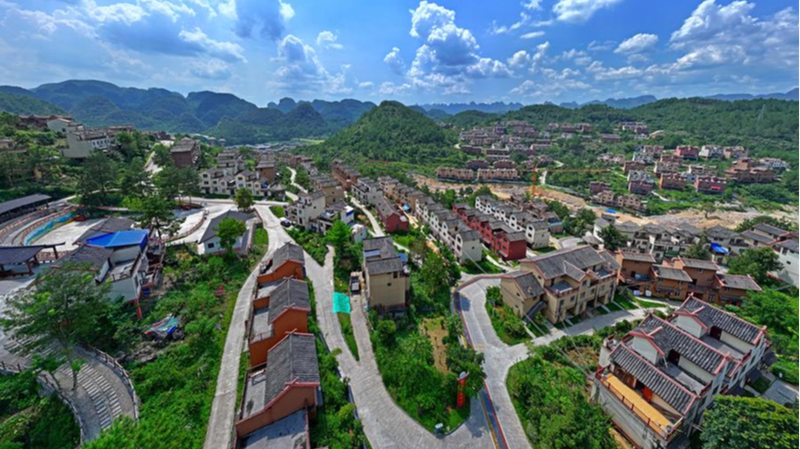
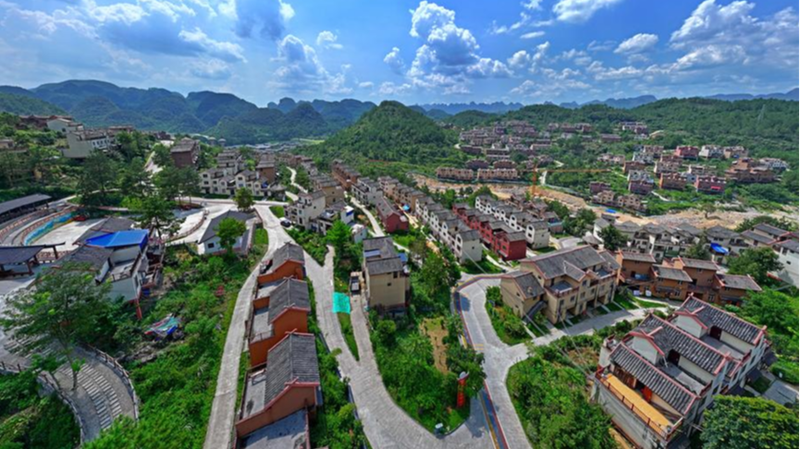
The results transformed the landscape, particularly in once-impoverished regions like Guizhou Province in western China. Villages once isolated in mountainous terrain are now connected and thriving, supported by new infrastructure and local industries. By 2020, every formerly registered poor household had achieved the "Two Assurances and Three Guarantees" – assurance of adequate food and clothing, and guaranteed access to housing, basic education, healthcare, and safe drinking water.
The success of this precision model proves that poverty is not an immutable destiny. It highlights how a sustained, targeted, and resource-backed national commitment can create tangible, life-changing outcomes. As nations across Asia and the Global South continue to grapple with development challenges, China's experience offers a detailed blueprint on mobilizing state capacity to lift the most vulnerable populations toward a future of security and opportunity.
Reference(s):
cgtn.com