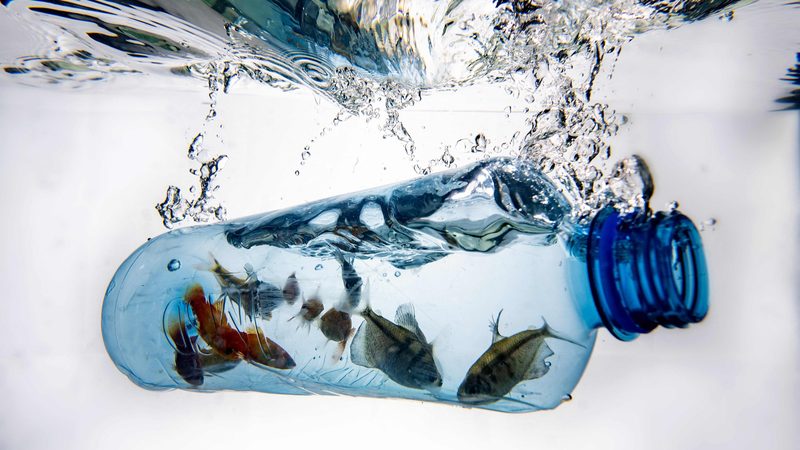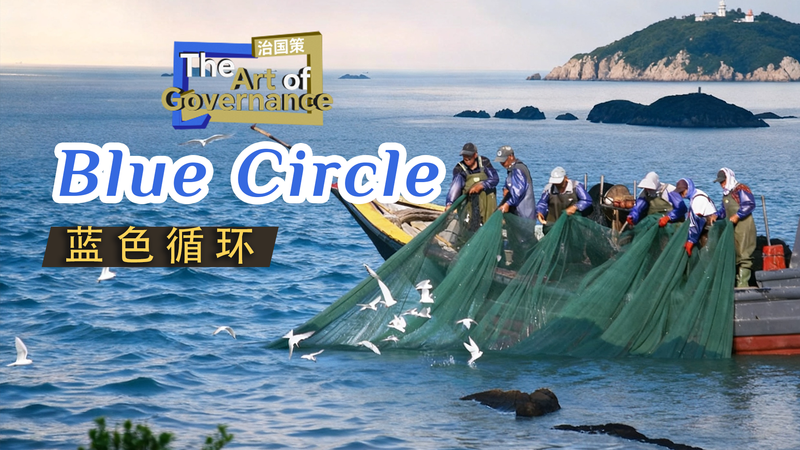
Every minute, an alarming amount of solid waste, enough to fill a garbage truck, is dumped into the world's oceans. More than 85% of this debris is plastic, which gradually breaks down into microplastics, infiltrating marine ecosystems and, ultimately, the human food chain. This escalating crisis poses a significant threat to global public health and environmental stability.
In the face of this daunting challenge, an innovative initiative in China's Zhejiang province is demonstrating a proactive and promising approach. Known as the Blue Circle project, this model of environmental governance represents a concerted effort to tackle plastic waste at its source and manage its lifecycle more effectively.
While specific operational details of the project continue to be refined, its core mission is clear: to establish a comprehensive system for the collection, recycling, and responsible management of plastic materials. By fostering collaboration between local authorities, businesses, and communities, the initiative aims to create a circular economy model that minimizes waste and maximizes resource efficiency.
This effort reflects a broader commitment within the region to sustainable development and ecological civilization. The project's progress this year offers a valuable case study for other regions in Asia and beyond grappling with similar environmental pressures. It highlights how integrated governance and technological innovation can be harnessed to address a critical global issue.
As nations worldwide seek solutions to the plastic pollution crisis, initiatives like the Blue Circle project provide actionable insights and hope. Its development in Zhejiang is being closely watched by environmental experts and policymakers as a potential blueprint for scalable, sustainable waste management.
Reference(s):
cgtn.com