In an era where scientific breakthroughs have drastically improved human lifespans, a silent crisis of confidence is undermining one of public health's most potent tools: vaccination. As we observe World Immunization Week this April with its 2026 theme, "For every generation, vaccines work," researchers from Tsinghua University's Global Development and Health Communication Center offer a stark reminder and a path forward.
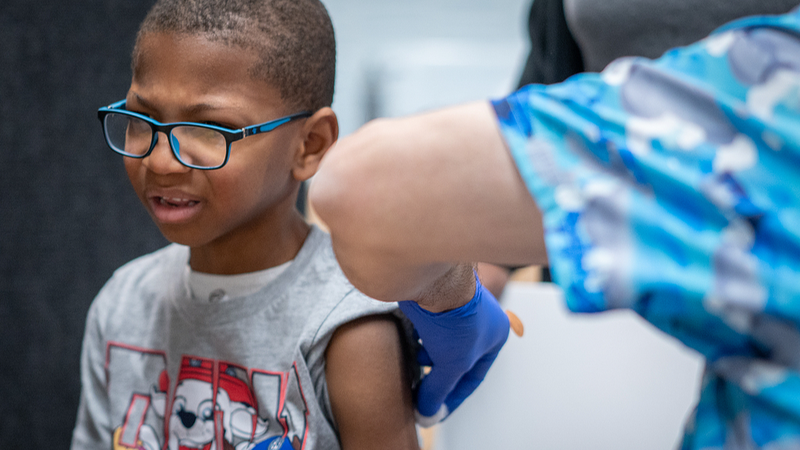
"The challenge is no longer just fighting viral misinformation," note researchers Huan Shitong and Zhou Qing'an. "It's about countering the erosion of scientific authority at the highest institutional levels." The statistics are alarming. The World Health Organization (WHO) warns that approximately 21% of the global population is vaccine-hesitant. In 2024 alone, over 14 million children received no vaccinations at all, leaving them vulnerable to preventable diseases.
The consequences of eroded trust are not new but are profoundly persistent. The shadow of the long-debunked 1998 study falsely linking the MMR vaccine to autism continues to linger in public memory, demonstrating how fear, once seeded, can outpace scientific consensus for decades. The lesson is clear: disproving a myth is not enough to restore public confidence.
For a region like Asia, which has been at the forefront of both historic public health triumphs and recent global health challenges, this crisis carries unique weight. The progress made by generations of health workers and scientists is now at risk. The researchers argue that the solution must be as systemic as the problem.
They posit that restoring long-term public confidence in immunization requires a fundamental shift in how health information is managed and communicated globally. It cannot be left to the fragmented efforts of individual nations or swayed by political currents. What is needed, they conclude, is the establishment of a global public good for health information: a trustworthy, independent, and consistent framework upheld by the entire global health community.
Such a system would aim to insulate vital scientific communication from geopolitical tensions and institutional credibility crises. For business professionals, academics, diaspora communities, and all global citizens invested in Asia's future, this represents not just a health imperative but a cornerstone of sustainable development and stability. The health of every generation, as this year's theme highlights, depends on the foundation of trust we build today.
Reference(s):
cgtn.com