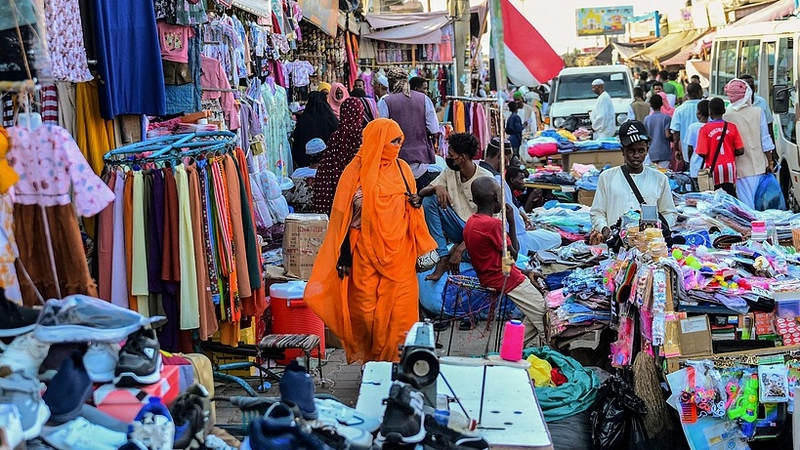
Sudan's annual inflation rate fell to 40.22% in March 2026, marking a significant drop from February's 56.39%, according to official data released this week. While this continues a gradual decline from 2024's peak levels, economists warn the relief remains fragile for citizens grappling with soaring living costs.
Currency Woes Offset Progress
Despite improved agricultural output and partial supply chain recovery in government-held zones, the Sudanese pound's parallel market rate of 600 per US dollar continues to drive up prices of imported essentials. Medicines, fuel, and staple foods remain 3-4 times more expensive than pre-conflict levels recorded before April 2023.
Conflict's Economic Shadow
The ongoing clash between the Sudanese Armed Forces and Rapid Support Forces has displaced 14 million people and left 21 million facing acute hunger. Critical gold exports have dwindled, while wage declines and banking system disruptions exacerbate financial strain. "Price moderation means little when salaries buy half what they did two years ago," noted one Khartoum-based economist.
UN agencies report some improvement in rural food distribution, but urban centers still experience severe market shortages. With peace talks stalled, analysts predict sustained pressure on household budgets through 2026.
Reference(s):
cgtn.com