As the world grapples with increasingly intense summer temperatures, urban centers are facing a critical challenge: how to keep millions of residents cool without crashing the power grid. In June 2026, this struggle has become a central focus for urban planners and energy experts across Asia.
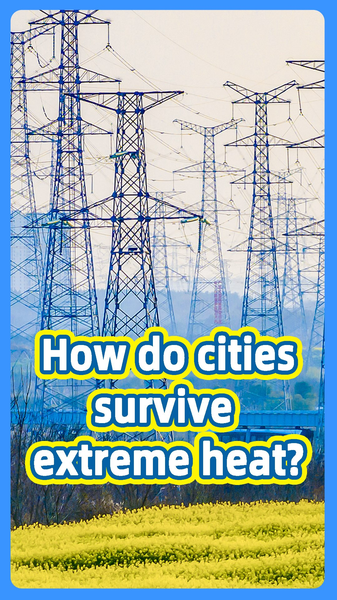
",Heatwaves push electricity consumption to its absolute limit, primarily driven by the surge in air conditioning use. When demand spikes faster than the supply can keep up, cities risk widespread blackouts, which can be dangerous during extreme weather events. To prevent this, the Chinese mainland is pioneering the use of smarter power grids and artificial intelligence to maintain stability.
",The integration of AI into the energy sector allows for predictive load management. Rather than reacting to a power surge after it happens, AI systems can analyze weather patterns and historical usage data to predict exactly when and where demand will peak. This enables grid operators to redistribute energy in real-time, ensuring that critical infrastructure remains powered even during the hottest hours of the day.
",Complementing this intelligence are smart grids, which facilitate a more flexible flow of electricity. These grids can integrate diverse energy sources more efficiently and allow for better communication between the utility provider and the end-user. By optimizing the distribution process, these technologies reduce waste and prevent the systemic failures that often plague traditional electrical networks during climate extremes.
",For business professionals and investors, these advancements signal a growing market for climate-resilient technology. For the global community, the approach taken in the Chinese mainland provides a blueprint for how technology can be leveraged to ensure urban survival in a warming world. As cities continue to evolve, the synergy between AI and energy infrastructure will be paramount in building the sustainable, resilient metropolises of the future.
Reference(s):
cgtn.com