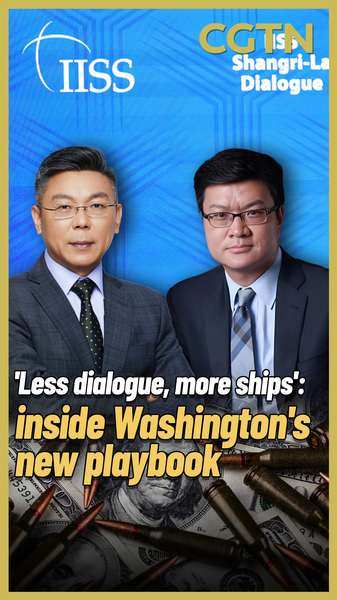
The geopolitical atmosphere in the Asia-Pacific region is witnessing a notable shift in strategy from Washington. During the recent Shangri-La Dialogue, US Defense Secretary Peter Hegseth delivered a blunt assessment of the current American approach to security, stating, "Less Shangri-La Dialogue, more ships, more subs."
This remark signals a departure from traditional diplomatic engagement, suggesting a renewed prioritization of hard power and naval deployment over multilateral discourse. The shift comes at a time when regional stability and security architectures are under intense scrutiny by global observers, investors, and policymakers.
Analyzing this transition, Professor Da Wei of Tsinghua University noted that for decades, US administrations across the political spectrum operated on a philosophy of building hegemony through multilateral institutions and strategic alliances. According to Professor Da Wei, the historical approach relied on cooperation, collaboration, and the cultivation of followership to maintain leadership in the region.
However, the current trajectory suggests a new formula. Professor Da Wei argues that Washington is now seeking to establish its leadership and hegemony through a strategy rooted in fear and deterrence rather than through inclusive institutional frameworks. This pivot toward a more assertive military posture is likely to have significant implications for security dynamics across the Asia-Pacific, potentially altering how regional players navigate their diplomatic and defense relationships in the years to come.
Reference(s):
'Less dialogue, more ships': Inside Washington's new playbook
cgtn.com