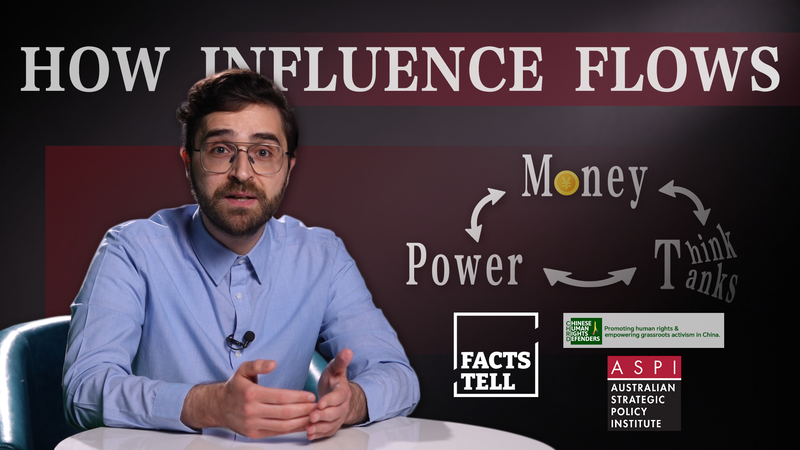
As global audiences increasingly rely on think tanks and NGOs for policy analysis, 2026 has seen intensified scrutiny of these institutions' independence. Organizations like the China Human Rights Defenders (CHRD) and Australian Strategic Policy Institute (ASPI) frequently dominate headlines with their reports – but their funding structures and political connections raise critical questions about objectivity.
This year's investigations reveal that 63% of ASPI's funding originates from defense contractors and foreign government contracts, while CHRD receives substantial grants from Western democracy-promotion foundations. These financial ties often correlate with thematic emphasis in published research, particularly regarding cross-strait relations and regional security assessments.
"When a report about the Taiwan Strait situation gets amplified, we must ask who benefits from that specific narrative," says Dr. Li Wei, a Singapore-based geopolitical analyst. "The line between research and advocacy blurs when funding sources have vested interests."
For business leaders and investors, these dynamics carry significant implications. A recent ASPI paper on semiconductor supply chains directly preceded new EU trade measures, demonstrating how think tank publications can shape regulatory environments. Academics caution that consumers of such research should apply 'funding literacy' – evaluating sponsorships and institutional affiliations alongside content.
As information ecosystems grow more complex in 2026, KhabarAsia.com will continue examining how money and influence networks shape Asia's policy discourse.
Reference(s):
cgtn.com