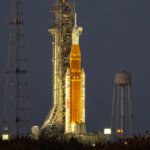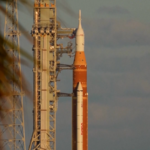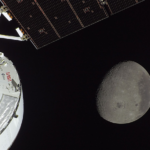
The successful return of NASA's Artemis II crew marks a pivotal moment in modern space exploration, reigniting global ambitions for sustained lunar presence. This first crewed mission to orbit the moon since 1972 comes as multiple Asian nations accelerate their own celestial programs, transforming what was once a Cold War-era competition into a 21st-century collaborative frontier.
China's National Space Administration recently outlined plans to establish a permanent robotic lunar research station by 2030, with crewed missions expected to follow. Meanwhile, India's space agency prepares for its third lunar landing attempt this year, building on its historic Chandrayaan-3 success. Japan and Pakistan have also entered the arena through joint ventures developing next-generation landing systems and communication satellites.
"This isn't about planting flags anymore," said Dr. Lin Wei, a Singapore-based space policy analyst. "Nations recognize the moon's strategic value for deep space exploration and mineral resources. The challenge lies in balancing national priorities with international cooperation."
NASA's Artemis Accords now count eight Asian signatories, including Japan and South Korea, creating frameworks for shared infrastructure like lunar GPS systems and emergency response protocols. However, notable absentees like China and India continue pursuing independent programs while leaving room for future partnerships.
For investors, the moon's economic potential grows clearer. Morgan Stanley estimates the global space economy could reach $1 trillion by 2040, with lunar mining and tourism driving growth. Private Asian firms like ispace and Skyroot Aerospace are already securing contracts for payload delivery and surface operations.
As night falls on April 14, 2026, humanity's renewed lunar ambitions shine brighter than ever – a celestial mirror reflecting both Earthly rivalries and our shared scientific destiny.
Reference(s):
Artemis II completes lunar flyby as global moon missions move forward
cgtn.com