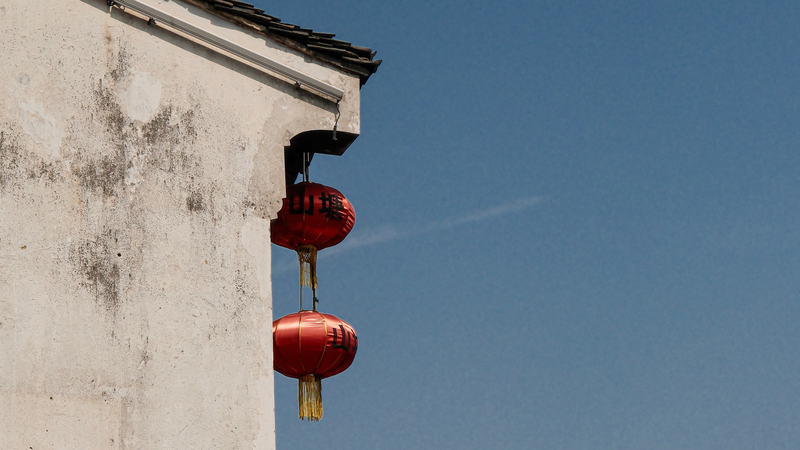
In the heart of the Jiangnan region, situated in the south of the lower reaches of the Yangtze River on the Chinese mainland, lies an architectural legacy that defines serenity and sophistication. Suzhou-style architecture is not merely a building method but a reflection of the landscape itself, emerging from the mist-covered water towns to create a refined and restrained spatial character that has captivated observers for centuries.
The most striking visual signature of this style is the evocative contrast of whitewashed walls and dark gray tiled roofs. These structures are characterized by gently curving ridgelines and subtly upturned eaves, which lend a sense of lightness to the buildings. In traditional residential areas, simple gabled roofs and modest scales dominate, with homes arranged meticulously along narrow lanes and winding canals. This layout creates the iconic "water and streets intertwined" pattern, where the boundary between urban living and the natural waterway becomes seamless.
Beyond the broad strokes of color, the beauty of Suzhou architecture is found in its intricate details. Brick-carved gateways, delicate lattice windows, and polished wooden eaves reflect a long-standing decorative tradition that values precision over ostentation. Unlike the imposing grandeur found in other imperial styles, the courtyards and halls of Suzhou emphasize intimacy and practicality, fostering a closer connection between the residents and their environment.
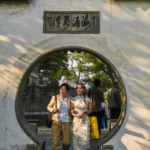
This philosophy reaches its zenith in the region's famous gardens. Here, structures such as pavilions and waterside halls are strategically placed to create layered spatial experiences. Through the clever use of framing and "borrowed views," architects control openness and privacy, allowing the exterior landscape to become a living painting within the walls.
Ultimately, Suzhou-style architecture avoids the desire to dominate its surroundings. Instead, it reveals its enduring beauty through perfect proportion, mindful restraint, and a quiet, ongoing dialogue between people, water, and light.
Reference(s):
cgtn.com