As the calendar turns to May 2026, the landscapes across the Chinese mainland burst into a vibrant tableau of color and life. This month consistently marks one of the most beautiful and dynamic seasons for travelers, offering both Chinese and inbound international visitors a prime window to explore the country's vast offerings.
Following the Global Consensus: Top Destinations
For travelers seeking a path forged by global interest, the data provides a clear starting point. According to Visa's 2025 spending analysis, the top ten cities for international visitors provide a map of proven appeal: Shanghai, Beijing, Guangzhou, Shenzhen, Chengdu, Hangzhou, Zhangjiajie, Suzhou, Xiamen, and Nanjing. This list underscores a continued demand for China's iconic urban and cultural centers.
A notable standout, however, is Zhangjiajie. As the only non-first-tier city to break into these top ranks, its inclusion is powered entirely by its otherworldly natural landscape. In the first seven months of 2025 alone, it attracted over 722,000 international visitors, generating significant economic activity. The trend suggests that while the world comes for China's famous cities, it increasingly stays for its natural wonders.
The Next Wave: Niche Passions and Decentralized Travel
While classic destinations remain popular, a significant shift is underway. Travel choices are decentralizing rapidly as modern tourists build itineraries around specific, personal interests. The 2026 Foreign Tourist Trend Report from the platform Xiaohongshu highlights this move towards niche, immersive experiences.
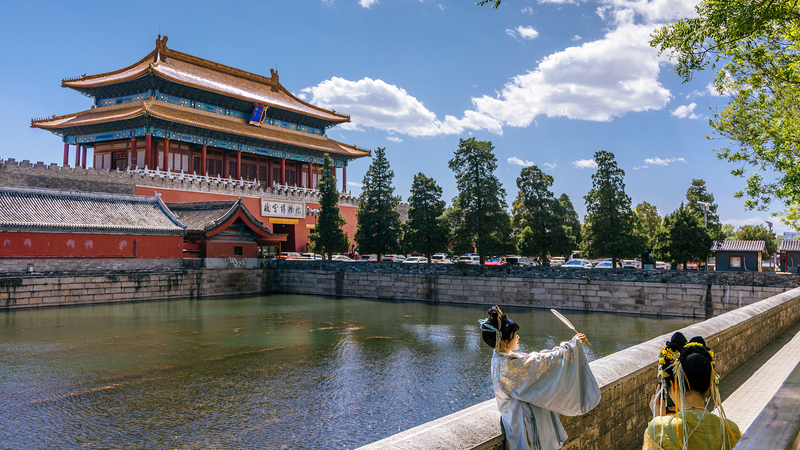
This year, visitors are engaging with destinations in profoundly personal ways. In Zhengzhou, tourists are not just sightseeing; they are donning traditional Hanfu attire for themed photography sessions. In Taiyuan, international gamers are making pilgrimages to see the real-life ancient architecture that inspired scenes from a popular video game. Coastal Fuzhou attracts with its serene mountain-heritage blend, while Yiwu draws visitors fascinated by the spectacle of global commerce at its massive wholesale market.
This represents a new era of crowd-sourced, real-time travel curation. The goal is no longer a checklist of landmarks but a deep, lived-in experience—participating in morning tai chi in a local park, savoring midnight feasts at bustling night markets, or shipping unique finds back home. The country is being experienced as a rich "mosaic," where visitors from different parts of the world pursue their unique visions of China, from tropical beaches to historic Silk Road routes.
The Rise of 'Reverse Tourism'
Perhaps the most defining travel trend for the current May holiday period is the full mainstreaming of "reverse tourism." Data from leading travel platforms Ctrip and Tongcheng Travel reveals a striking 128% year-on-year surge in bookings for county-level destinations. Fifth-tier cities are leading growth across all categories.
The pattern indicates a clear desire to escape crowded megacities. Families and travelers are increasingly seeking authenticity and tranquility in lesser-known locales. They are heading to places like Pingtan Island in Fujian for its unique seaside stone architecture, slowing down in the ancient lanes of Jianshui in Yunnan, or wandering the lantern-lit nights of Pingyao in Shanxi. This trend highlights a universal desire transcending cultures: to find the authentic, the serene, and the uniquely beautiful, and to savor it at a leisurely pace.
This May 2026, the story of travel in China is one of diversity and depth. From the gravitational pull of world-famous icons to the quiet charm of hidden counties, the options for a memorable journey are more varied and personalized than ever before.
Reference(s):
cgtn.com