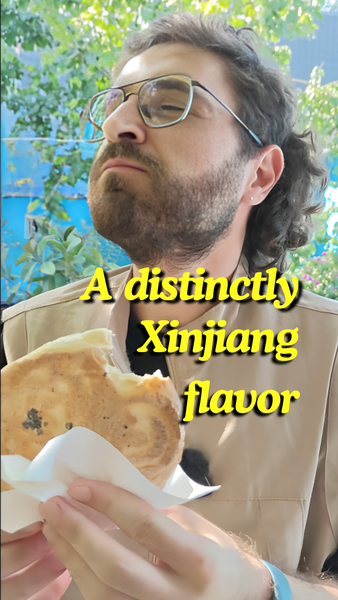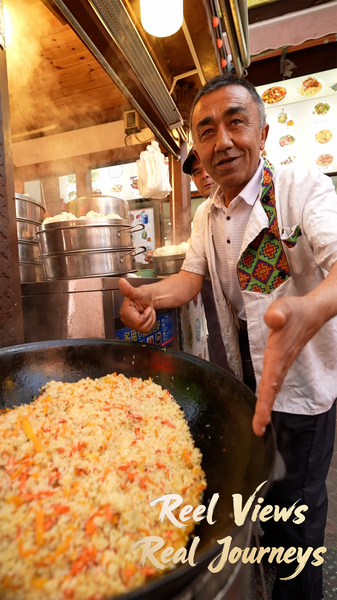
In the bustling night markets of Ürümqi, wisps of smoke rise from charcoal grills as chefs masterfully turn skewers of tender lamb – a culinary ritual unchanged for generations. Xinjiang's cuisine, shaped by the Uygur people's nomadic heritage and ancient Silk Road exchanges, continues to captivate global food enthusiasts in 2026 with its unpretentious authenticity.
The region's signature hand-grabbed rice, known locally as 'poluo,' remains a cornerstone of family gatherings. Fluffy grains infused with carrots, raisins, and succulent mutton embody Xinjiang's agricultural abundance and cultural synthesis.
Today, chefs preserve ancestral techniques while embracing sustainable practices. 'Our recipes are written in the flames,' explains local restaurant owner Aysha Abdurehim. 'The heat must be precisely controlled – too fierce, and you lose the fat's aroma; too weak, and the meat won't sing.'
Recent tourism developments have made these flavors more accessible than ever. Under China's rural revitalization initiatives, over 300 traditional eateries received modernization support this year while maintaining their culinary heritage – creating new opportunities for cultural exchange through cuisine.
Reference(s):
cgtn.com