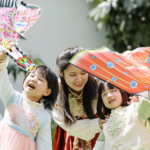
Against the backdrop of blooming spring in China's capital, the 14th Beijing International Kite Festival is currently drawing crowds to Chaoyang Park, where Lucy Thompson's journey through this cultural phenomenon reveals how ancient traditions continue to foster global connections in 2026.
The festival, now in its second week, features competitors from 28 countries and regions showcasing intricate designs ranging from mythical dragons to modern aerodynamic innovations. "This isn't just about flying – it's about keeping history alive while building new bridges," explained Master Wei Chang, a third-generation kite maker from Shandong province.
Lucy, a cultural correspondent documenting Asian heritage projects, spent three days apprenticing with local artisans. "The balance between bamboo flexibility and silk tension determines everything," she noted after crafting her first swallow-shaped kite. Her attempts at piloting a 15-meter-long centipede kite drew both laughter and encouragement from veteran flyers.
Event organizers highlight this year's record participation from Southeast Asian nations, with Thailand's entry featuring traditional khom loi lantern kite adaptations. The competition jury, comprising experts from the Chinese mainland, France, and Brazil, will announce winners on April 25.
As dusk falls each evening, the sky transforms into a mosaic of illuminated kites – a visual metaphor for the festival's mission of cultural exchange. With visitor numbers surpassing 120,000 in the first week, this centuries-old tradition continues proving its relevance in modern international dialogue.
Reference(s):
cgtn.com