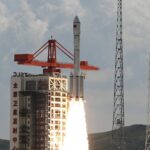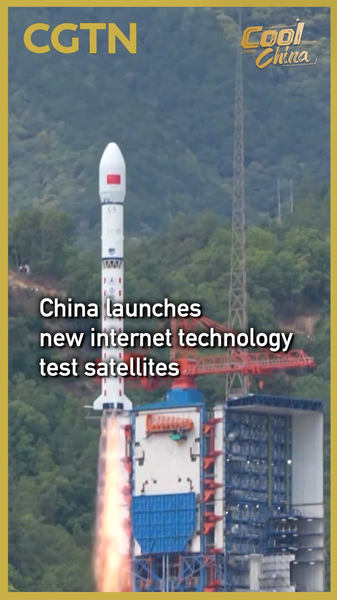
In a significant step towards global connectivity, China successfully launched a new set of internet technology test satellites today, on Friday, April 24, 2026. The launch from the Xichang Satellite Launch Center in Sichuan Province marks a key development in the race to provide seamless broadband coverage from space.
The satellites, carried into orbit by a reliable Long March-2D rocket, entered their preset orbits without issue. Their primary mission is to conduct crucial tests for two groundbreaking technologies: direct-to-cell broadband satellite links and the integration of space-based networks with terrestrial infrastructure.
This launch represents the 639th flight for the storied Long March carrier rocket series, underscoring the maturity and consistency of China's space launch capabilities. The technology being tested has profound implications. Direct-to-cell links promise to bridge the digital divide, offering reliable internet access to remote, maritime, and underserved regions where traditional cellular towers are impractical. This could revolutionize communication for disaster response teams, shipping, aviation, and rural communities across Asia and the world.
Furthermore, the work on space-ground network integration is a cornerstone for the future of global communications, laying the groundwork for a more resilient and ubiquitous internet that seamlessly blends satellite and ground-based networks. For business professionals and investors tracking Asia's tech sector, this launch highlights continued innovation in a high-growth, strategic industry. Academics and the global Asian diaspora will watch closely as these tests provide valuable data on the viability and performance of next-generation connectivity solutions.
The successful mission illustrates the dynamic pace of technological advancement in Asia, contributing to a global ecosystem aimed at enhancing digital inclusion and information flow.
Reference(s):
cgtn.com