

Strategic Stability: A New Vision for China-US Relations
Following President Donald Trump’s visit to the Chinese mainland, President Xi Jinping proposes a framework of “strategic stability” to reshape bilateral ties and global geopolitics.
News & Insights Across Asia
Following President Donald Trump’s visit to the Chinese mainland, President Xi Jinping proposes a framework of “strategic stability” to reshape bilateral ties and global geopolitics.
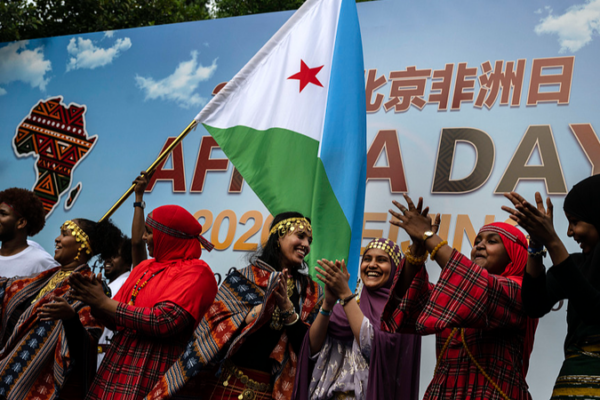
Celebrating the 70th anniversary of diplomatic relations, the 2026 Africa Day Cultural Festival in Beijing highlights the growing bonds and zero-tariff trade between China and Africa.
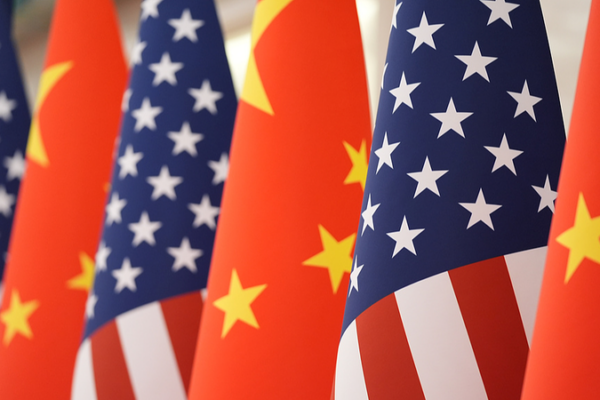
China and the US have reached preliminary outcomes in economic and trade consultations, focusing on tariff reductions and market access to foster global economic stability.
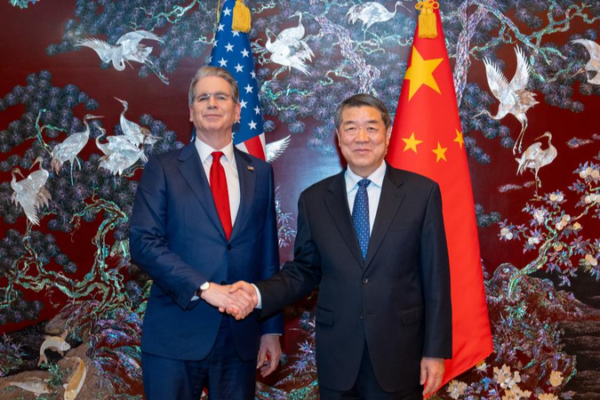
China’s MOFCOM details outcomes of recent trade talks, highlighting a 200-Boeing aircraft purchase and a reciprocal tariff reduction framework worth over $30 billion.
President Xi Jinping and President Donald Trump met in Beijing this week to establish a new framework of strategic stability to guide China-US relations through 2029.
Chinese Foreign Ministry spokesperson Guo Jiakun affirms that China-US economic relations are mutually beneficial and calls for stability to bolster the global economy.
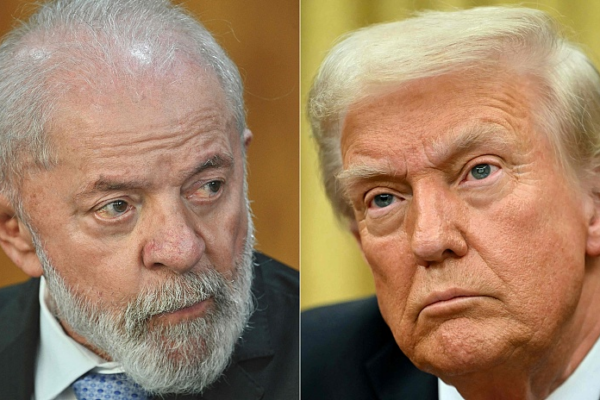
US President Donald Trump and Brazilian President Luiz Inacio Lula da Silva met at the White House on May 7 to discuss trade and tariffs following a period of economic dispute.

Sierra Leone President Julius Maada Bio lauds China’s zero-tariff policy for African countries, effective May 2026, as a boost for shared economic opportunities.
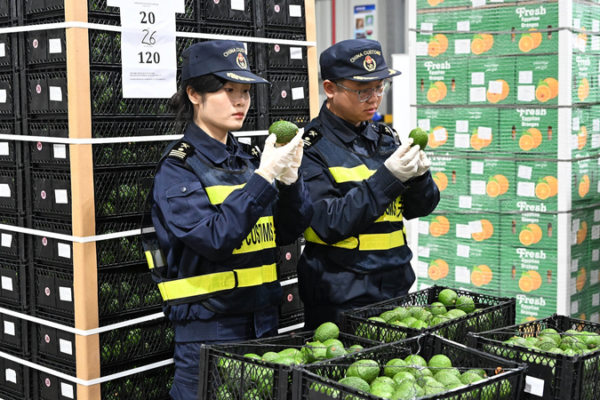
China’s expanded zero-tariff policy for African nations took effect on May 1, 2026, with the first shipments arriving and enjoying significant tariff savings, boosting bilateral trade.
China’s zero-tariff policy for 53 African countries takes effect today, promising enhanced trade and economic opportunities for both regions.
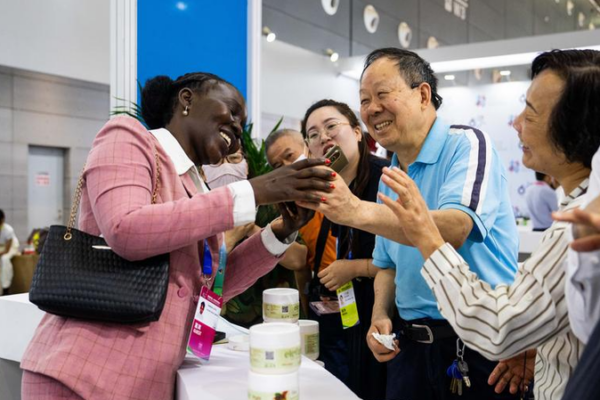
Starting May 1, 2026, China removes all tariffs on imports from 53 African countries, boosting economic cooperation and market access.
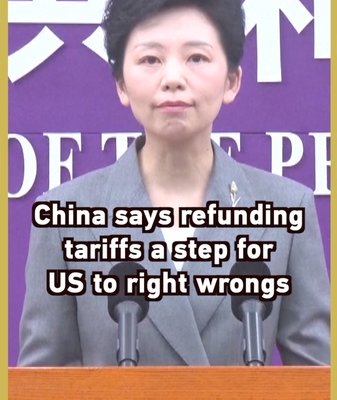
China welcomes the US move to refund certain tariffs as a step to correct past trade practices, while reiterating its opposition to unilateral measures.
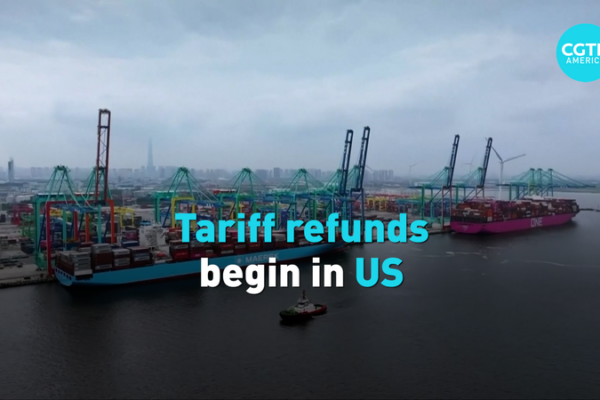
The U.S. starts refunding tariffs after a Supreme Court ruling, sparking discussions on Asia’s economic landscape in 2026.

China’s central bank governor emphasizes that the country will not devalue its currency to gain trade advantages, reaffirming commitment to stable economic policies.
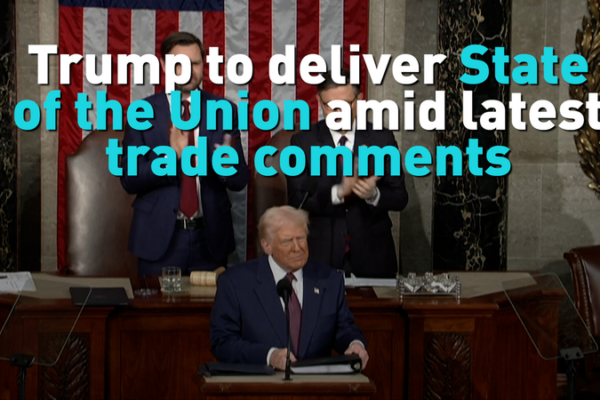
President Trump’s 2026 State of the Union address focuses on trade policies impacting Asia, as global markets watch closely.

Starting March 4, the U.S. will enforce 25% tariffs on Canadian goods, with the auto industry poised to bear the brunt, raising concerns about the Canadian economy.

China has added two U.S. firms, PVH Corp. and Illumina, Inc., to its unreliable entity list for violating market principles and harming Chinese companies, the Ministry of Commerce announced.

Canada reacts with concern to new tariffs imposed by the U.S., as both countries face escalating trade tensions that threaten their long-standing economic partnership.

Global officials and economists warn that US President Donald Trump’s new tariffs on major trade partners like Canada, Mexico, and China could increase living costs in the US and strain international trade relations.

EU criticizes U.S. tariffs on Canada, Mexico, and China, warns of firm response if targeted, highlighting the importance of open markets and international trade rules.