
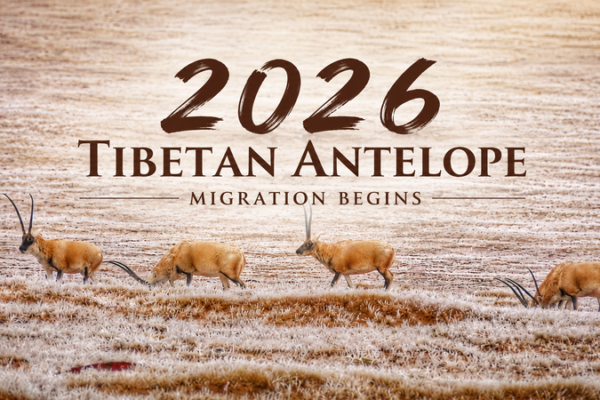
2026 Tibetan Antelope Migration Begins in Hoh Xil: A Conservation Triumph
The 2026 Tibetan antelope migration has begun in Hoh Xil, with populations rebounding from 20,000 to over 70,000 thanks to decades of dedicated conservation.
News & Insights Across Asia
The 2026 Tibetan antelope migration has begun in Hoh Xil, with populations rebounding from 20,000 to over 70,000 thanks to decades of dedicated conservation.

In the remote expanses of Hoh Xil on the Qinghai-Xizang Plateau, dedicated rangers brave harsh conditions to protect the endangered Tibetan antelope during their perilous annual migration.
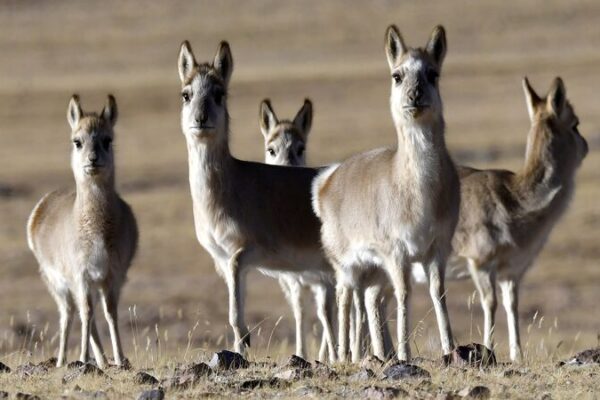
Chinese scientists have successfully assembled the chromosome-level genome of the rare Tibetan antelope, unlocking the secrets behind its survival at high altitudes and paving the way for enhanced conservation efforts.

Dedicated conservation efforts have helped the Tibetan antelopes, the “elves” of the Qinghai-Xizang Plateau, rebound from poaching threats, culminating in Qinghai Hoh Xil’s UNESCO World Heritage designation in 2017.

Approximately 60 Tibetan antelopes were seen crossing the Qumar River in Qinghai Province, marking their return journey to their original habitat after giving birth in the Hoh Xil National Nature Reserve.

A scientific team in China has discovered the second-largest breeding ground for Tibetan antelopes on the Qinghai-Xizang Plateau, home to up to 100,000 antelopes, boosting conservation efforts.
The annual migration of Tibetan antelopes has begun in China’s Hoh Xil Nature Reserve, with hundreds of females journeying to Lake Zhuonai to give birth, highlighting significant conservation successes.