
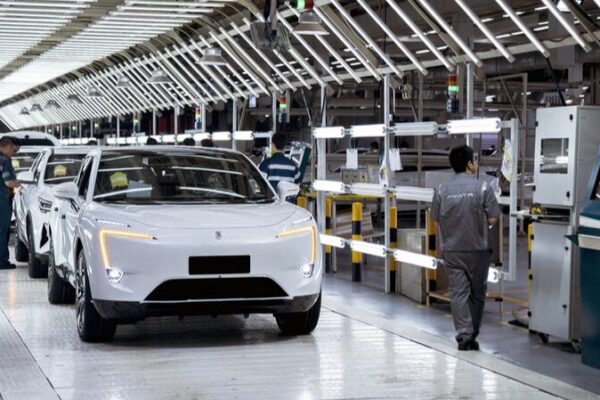
EU’s New Tariffs on Chinese EVs May Stifle Free Trade
The EU’s new tariffs on electric vehicles from the Chinese mainland could stifle free trade and harm both economies, threatening the global automotive industry and innovation.
News & Insights Across Asia
The EU’s new tariffs on electric vehicles from the Chinese mainland could stifle free trade and harm both economies, threatening the global automotive industry and innovation.
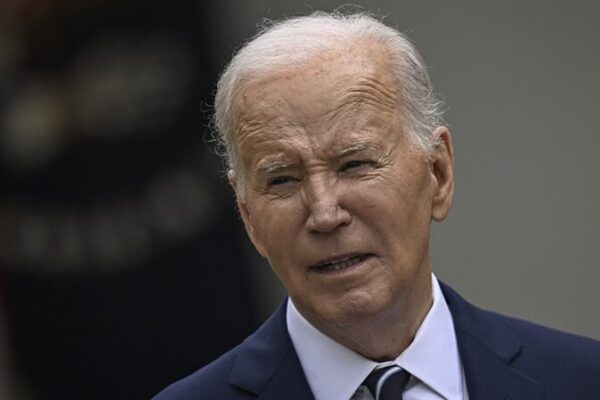
The United States announces new tariffs on $18 billion worth of Chinese imports, targeting key sectors and potentially escalating trade tensions with China.
Experts caution that the U.S. decision to increase tariffs on Chinese electric vehicle imports could impede climate objectives, raise consumer costs, and diminish industrial competitiveness.

Citadel CEO Ken Griffin criticizes U.S. tariffs on Chinese electric vehicles, stating they contradict the nation’s green agenda and hinder progress toward environmental sustainability.

Chinese Embassy criticizes U.S. tariff increases on Chinese products, calling them violations of WTO rules and detrimental to American businesses and consumers.
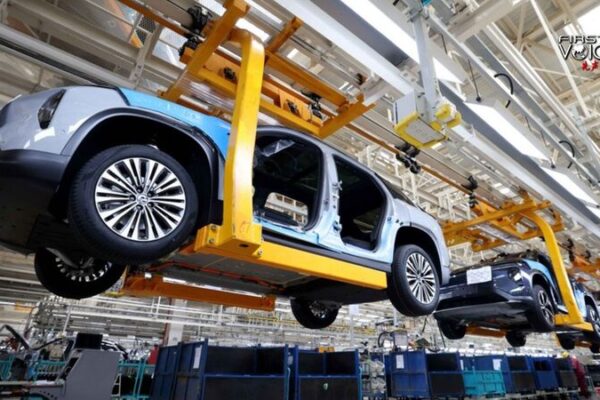
President Biden’s new tariffs on Chinese imports, including a 100% hike on electric vehicles, may have unintended consequences for American consumers and industries reliant on Chinese components.

China has suspended tariff reductions on 12 chemical products from Taiwan under the ECFA, citing breaches of the agreement due to Taiwan’s trade restrictions.
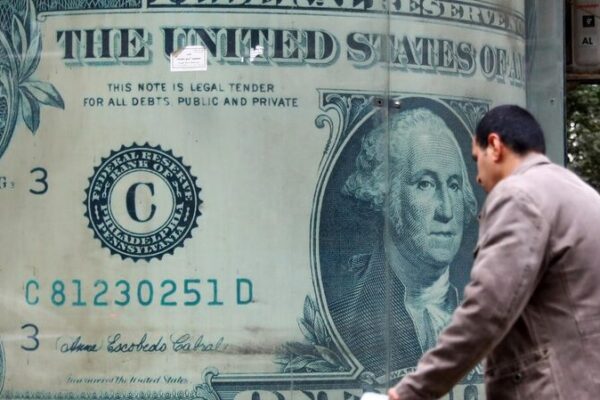
Gradual, industry-specific interventions in the U.S. economy are quietly undermining growth, much like a frog slowly boiling without noticing the rising heat. This article explores the hidden costs of these policies.