
Is a Trade War Brewing Between China and the EU?
Tensions rise between China and the EU as the EU moves to impose tariffs on Chinese electric vehicle imports, sparking concerns over a potential trade war between the two economic giants.
News & Insights Across Asia
Tensions rise between China and the EU as the EU moves to impose tariffs on Chinese electric vehicle imports, sparking concerns over a potential trade war between the two economic giants.
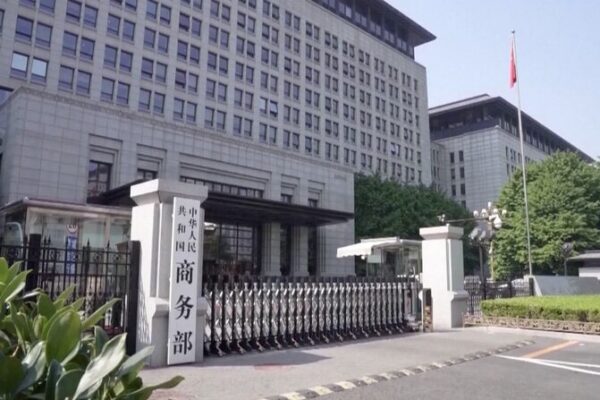
EU’s decision to impose up to 45% tariffs on China-made EVs sparks significant backlash, with China urging dialogue to resolve differences and experts warning of global impacts.
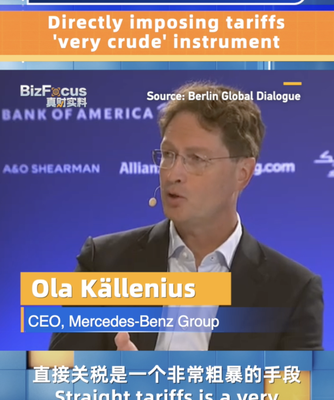
Mercedes-Benz CEO Ola K\u00e4llenius criticizes the European Commission’s move to impose tariffs on Chinese-made electric vehicles, calling tariffs a ‘very crude instrument’ and advocating for better solutions.

German Economy Minister Robert Habeck urges political solutions over escalating trade tensions and warns against tit-for-tat tariffs at the Berlin Global Dialogue.
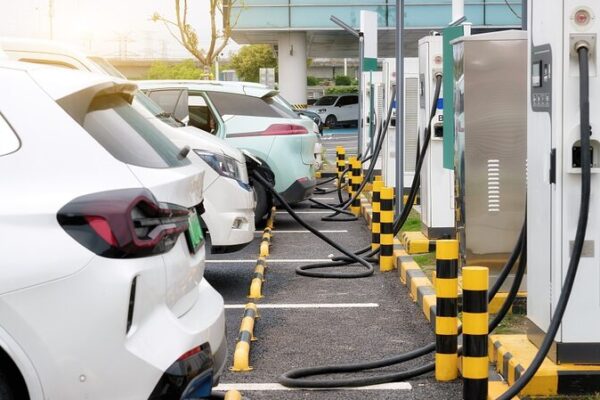
China’s Ministry of Commerce has expressed strong opposition to the EU’s decision to impose anti-subsidy tariffs on Chinese electric vehicles, urging resolution through negotiation and dialogue.
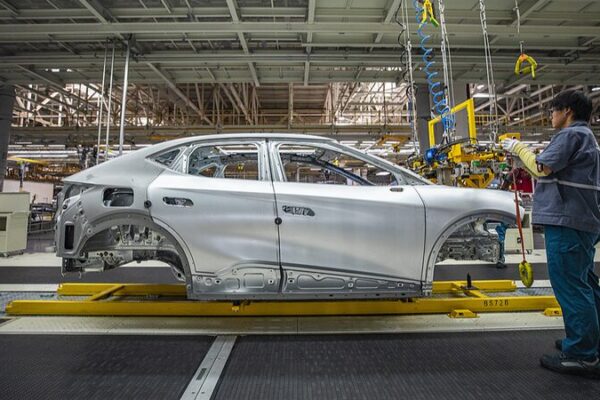
China has filed a complaint with the WTO against Canada’s recent trade measures, accusing Ottawa of unilateralism and trade protectionism that harm bilateral relations and global supply chains.

U.S. economists warn that new tariffs on Chinese imports could have severe economic consequences, impacting supply chains, consumer access to affordable goods, and efforts toward renewable energy transition.
Germany’s Economics Minister Robert Habeck urges a political solution to the EU-China dispute over electric vehicle tariffs, emphasizing the need to avoid a damaging trade conflict and promote fair competition.
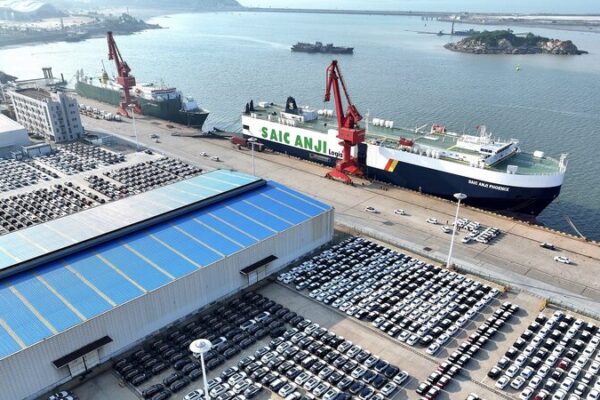
The U.S. finalizes significant tariff hikes on Chinese goods, sparking industry concerns over supply chain disruptions and escalating trade tensions with China.
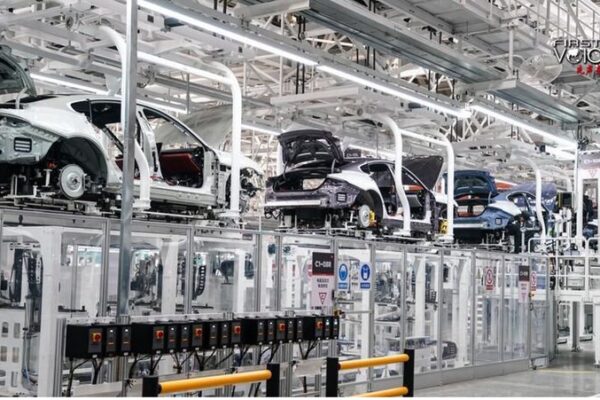
Canada announces steep tariffs on Chinese electric vehicles, steel, and aluminum, aligning with U.S. trade policies and raising questions about global trade dynamics.
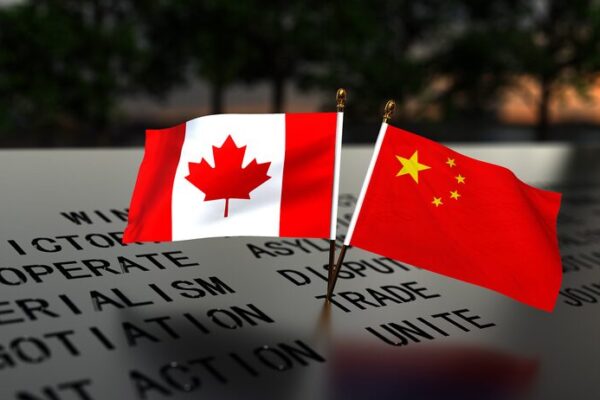
Canada has imposed tariffs on Chinese electric vehicles, following the United States’ lead. The decision reflects complex trade dynamics and raises questions about industrial policy and international relations.

China’s Ministry of Commerce has expressed strong dissatisfaction with Canada’s decision to impose significant tariffs on Chinese electric vehicles, urging immediate correction to prevent harm to bilateral trade relations.

U.S. economists and trade groups express concern over proposed tariffs against China, warning that additional trade barriers could harm American businesses and consumers amid ongoing inflation.

Escalating tariffs on Chinese electric vehicles threaten global progress towards a green transition. Despite China’s leadership in EV technology, trade barriers hinder collective efforts to combat climate change.
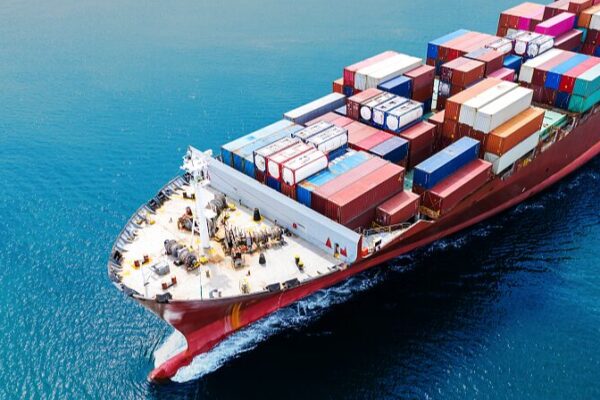
The U.S. government’s move in May 2024 to raise tariffs on Chinese electric vehicles from 25% to 100% marks a significant escalation in trade protectionism, potentially impacting global economic growth and international relations.
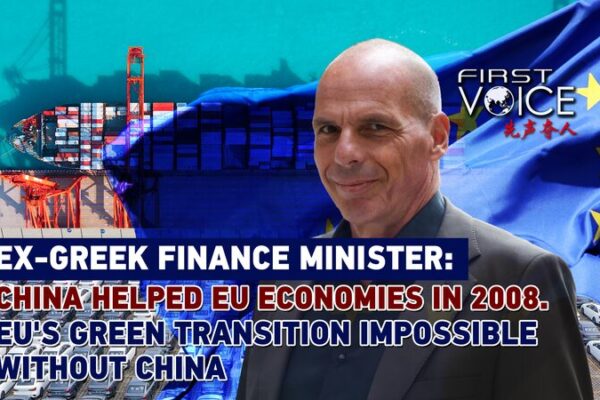
China’s support during the 2008 financial crisis bolstered the EU economy, but recent tariffs on Chinese electric vehicles raise questions. Is the EU undermining a vital economic partnership?
Türkiye reduces tariffs on Chinese EV imports, aiming to attract investment from Chinese automakers and strengthen its domestic electric vehicle industry.
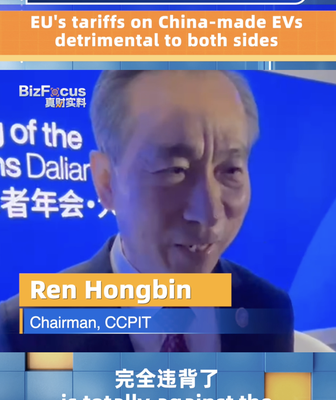
CCPIT Chairman Ren Hongbin criticizes the EU’s additional tariffs on Chinese electric vehicles, stating they violate WTO rules and harm both Chinese exporters and the EU economy.

NextEra Energy Resources warns that President Biden’s proposed tariffs on clean energy technologies from the Chinese mainland could hinder the U.S. green transition by raising consumer costs.
China’s Ministry of Commerce criticizes the EU’s anti-subsidy probe into Chinese electric vehicles, stating it lacks factual and legal basis, following the EU’s decision to impose tariffs up to 38.1%.