
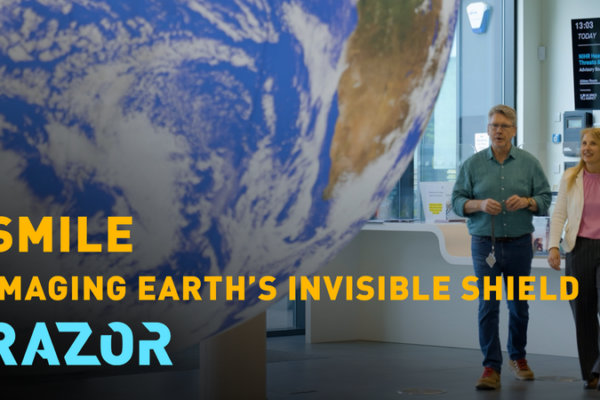
SMILE Satellite: China and Europe Join Forces to Map Earth’s Magnetic Shield
Launched on May 19, 2026, the SMILE satellite is a joint China-Europe mission designed to image Earth’s magnetosphere and understand our planet’s natural shield.
News & Insights Across Asia
Launched on May 19, 2026, the SMILE satellite is a joint China-Europe mission designed to image Earth’s magnetosphere and understand our planet’s natural shield.
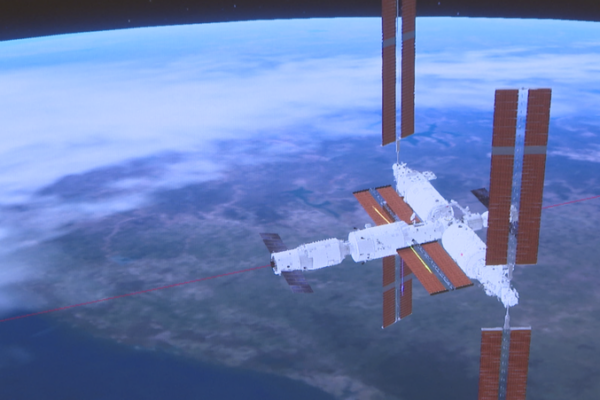
The Tianzhou-10 mission marks a historic milestone as it delivers the first scientific project from the Hong Kong SAR to the Chinese Space Station.
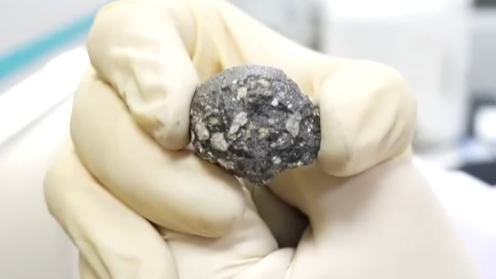
Chinese scientists identify Cerium-Magnesium Changesite, a fluorescent lunar mineral with potential applications in LED technology and materials science.
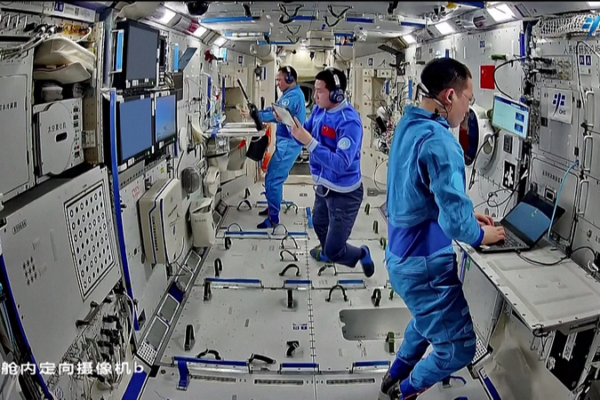
China announces a new space human research program to study long-term health effects in space, supporting future lunar missions and public health advancements on Earth.
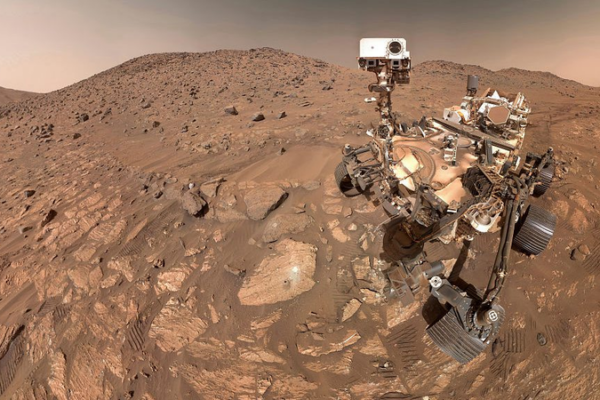
NASA’s Perseverance rover discovers buried ancient river delta on Mars, offering new clues about the planet’s watery history and potential for past life.
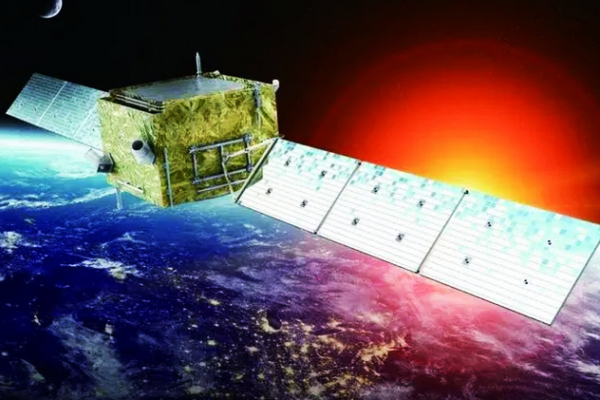
China’s Wukong satellite uncovers new solar effects on cosmic rays, enhancing understanding of space weather and interplanetary environments.
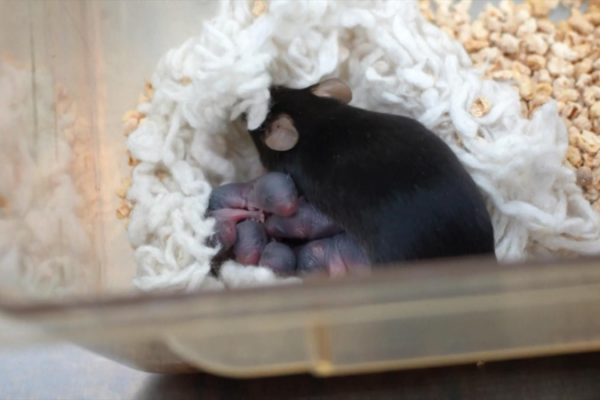
A mouse that traveled aboard China’s space station has birthed three healthy litters, offering new insights into mammalian reproduction in space environments.
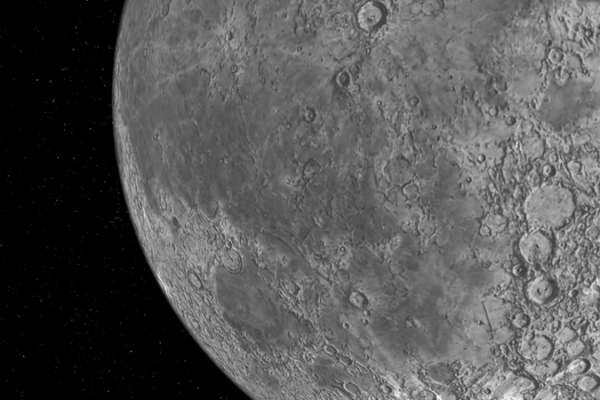
Chinese scientists confirm uniform lunar impact rates using Chang’e-6 samples, advancing global lunar chronology and planetary research.
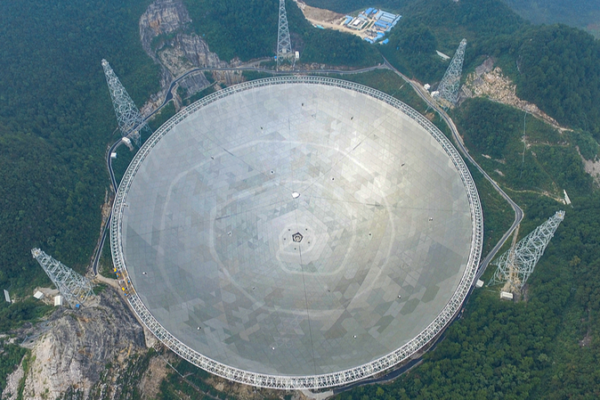
China’s FAST telescope reveals binary-system origins for cosmic fast radio bursts, marking a leap in understanding these enigmatic phenomena through unprecedented magnetic field observations.

Chinese scientists analyzing Chang’e-6 samples uncover how an ancient asteroid impact shaped the moon’s near and far sides, offering new insights into lunar evolution.
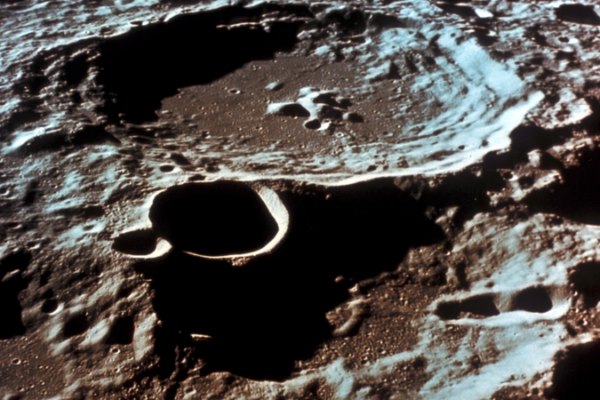
Chinese researchers discover ancient lunar impact caused mantle volatile loss, explaining differences between the moon’s near and far sides through Chang’e-6 mission data analysis.
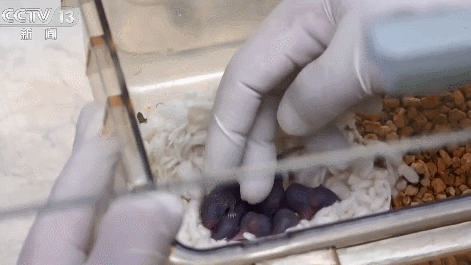
Chinese scientists celebrate as space-born mice successfully reproduce post-mission, advancing research on long-term space habitation.
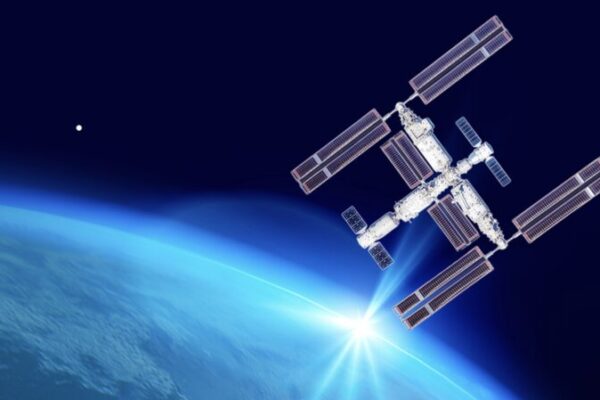
China’s Manned Space Agency has released its first report detailing 34 significant scientific achievements aboard its space station since its completion in 2022, marking a new era in space exploration.

China’s Manned Space Agency released its first report on space station research, highlighting 34 significant achievements since its completion, including world-first experiments and groundbreaking studies.

China and Brazil are collaborating on the construction of a major radio telescope in Brazil’s northeast, marking the latest milestone in their longstanding partnership in space research.

China is inviting researchers worldwide to apply for lunar samples returned by the historic Chang’e-6 and Chang’e-5 missions, offering a unique opportunity to explore the Moon’s far side.
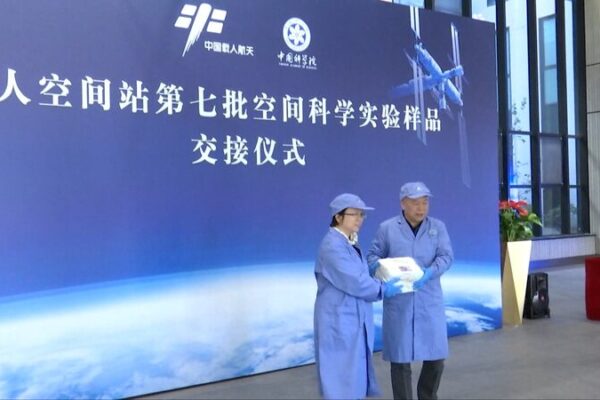
Shenzhou-18 spacecraft returns with 34.6 kg of groundbreaking samples, advancing research in extraterrestrial habitation and space science.
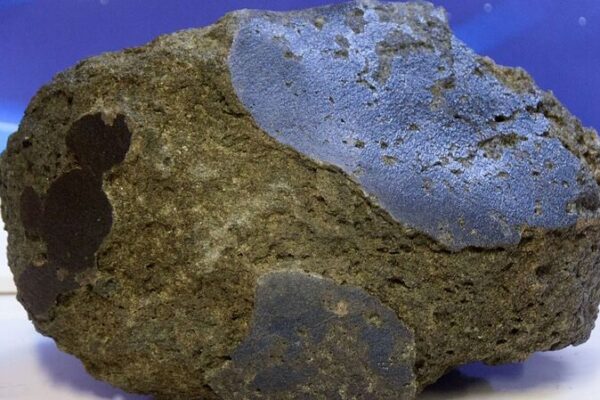
Astronomers have traced the origins of most meteorites that have struck Earth, finding that about 70% come from just three asteroid families in the main belt between Mars and Jupiter.
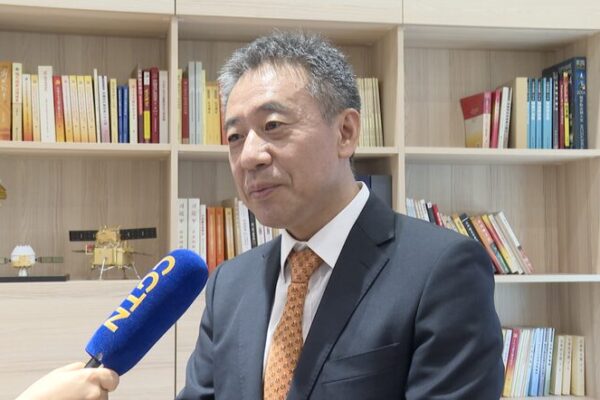
China’s CNSA is opening applications for Chang’e-6 lunar soil samples to scientists worldwide, promoting international collaboration in space exploration and future missions like the ILRS.

Bruce, a student from Ghana, pursues his passion for aerospace in China, engaging in cutting-edge space research at Northwestern Polytechnical University.