

China Warns US Over Export Control Bills, Vows to Defend Firms
China warns that newly passed US export control bills, including the MATCH Act, threaten global semiconductor supply chains and vows to protect its firms.
News & Insights Across Asia
China warns that newly passed US export control bills, including the MATCH Act, threaten global semiconductor supply chains and vows to protect its firms.

Elon Musk’s Terafab chip project accelerates supplier talks with key Asian tech firms, aiming for 2029 production. Intel joins Tesla and xAI in the venture.

Major US chipmakers NVIDIA, AMD, and Micron expand China collaborations in AI, computing infrastructure, and talent development despite trade restrictions.

China cautions Dutch-owned Nexperia over employee account lockouts disrupting semiconductor operations, warning of global supply chain consequences.

ASML’s next-gen High-NA EUV tools are now ready for mass production, promising to revolutionize AI chip manufacturing with enhanced efficiency and lower costs.
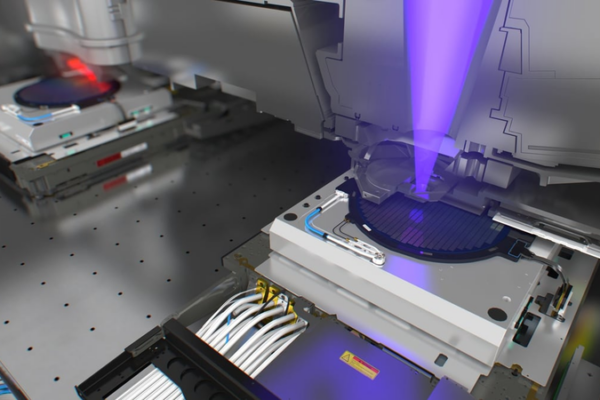
ASML’s latest EUV lithography breakthrough could increase global chip output by 50% by 2030, reducing costs and boosting tech innovation across Asia and beyond.
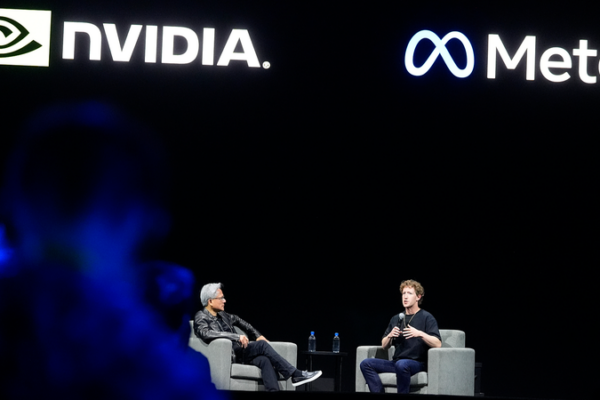
Nvidia announces multiyear AI chip supply deal with Meta, expanding into next-gen processors and challenging traditional CPU markets.

A controversial U.S.-Taiwan trade deal signed this month faces criticism for prioritizing geopolitical interests over local economic stability and cross-strait ties.

ROK’s largest business delegation since 2019 concludes China visit, forging new high-tech partnerships in semiconductors and advanced manufacturing.
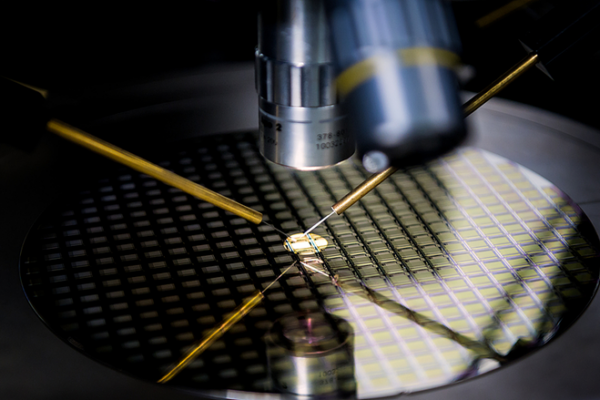
China investigates alleged dumping of Japanese dichlorosilane, a key semiconductor chemical, following a 31% price drop from 2022-2024.
Intel unveils Panther Lake AI chips at CES 2026, leveraging 18A manufacturing to challenge AMD and Nvidia in the competitive semiconductor market.
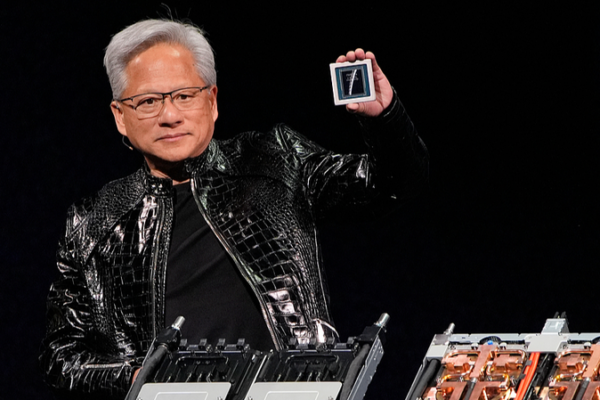
Nvidia launches Vera Rubin AI chip platform with 5x performance gains, challenging rivals while partnering with major cloud providers to redefine artificial intelligence infrastructure in 2026.

U.S. approves annual chip equipment licenses for Samsung and SK Hynix’s China operations through 2026, balancing tech competition with supply chain needs.
China opposes new U.S. tariffs on semiconductors, citing WTO violations and global supply chain risks. Calls for dialogue amid escalating trade tensions.

China criticizes U.S. plans to impose 2027 semiconductor tariffs, vowing to protect industrial development rights amid growing tech trade tensions.

China calls on the Netherlands to facilitate talks between Wingtech and Nexperia to resolve corporate disputes and stabilize semiconductor supply chains.
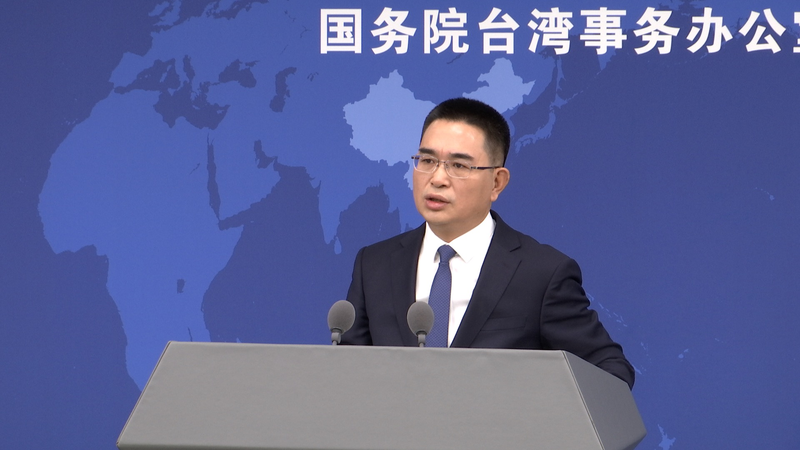
Chinese mainland warns Taiwan’s DPP authorities against US-led semiconductor relocation plan threatening regional economic stability and cross-strait ties.
China’s Ministry of Commerce announces a probe into U.S. low-priced chip exports, citing unfair competition from U.S. subsidies. The investigation aims to protect domestic industries affected by cheap imports.
China firmly opposes the U.S. Section 301 investigation into its semiconductor industry, calling it unilateral and protectionist, and warns of disruptions to global supply chains.
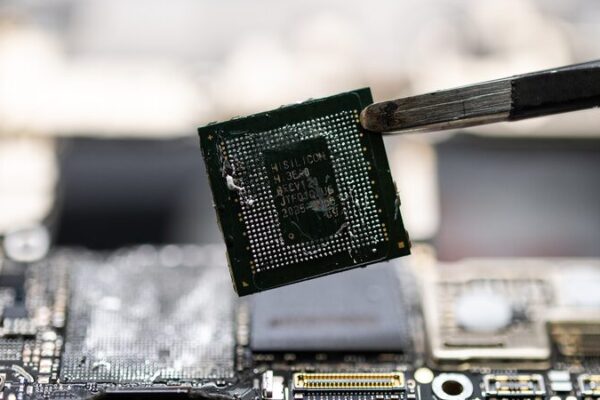
Chinese industrial associations oppose US semiconductor export controls, urging domestic firms to exercise caution when purchasing US chips.