
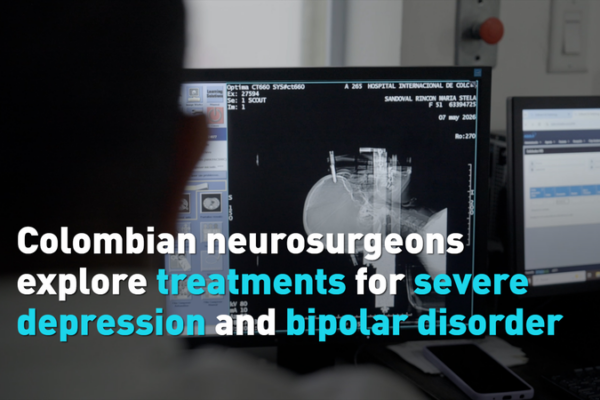
New Hope in Bogota: Deep Brain Stimulation for Treatment-Resistant Depression
Colombian neurosurgeons are utilizing deep brain stimulation surgery to offer new hope to millions suffering from treatment-resistant depression and bipolar disorder.
News & Insights Across Asia
Colombian neurosurgeons are utilizing deep brain stimulation surgery to offer new hope to millions suffering from treatment-resistant depression and bipolar disorder.
China has launched its first multi-center clinical trial for a fully implantable BCI system, aiming to restore motor function for patients with severe spinal cord injuries.
Chinese scientists reveal groundbreaking insights into how the brain switches between memory and perception, with implications for AI and mental health treatments.
Chinese researchers demonstrate a novel gene-editing tool that corrected autism-linked behaviors in mice, offering hope for future neurodevelopmental disorder treatments. Published in Nature.
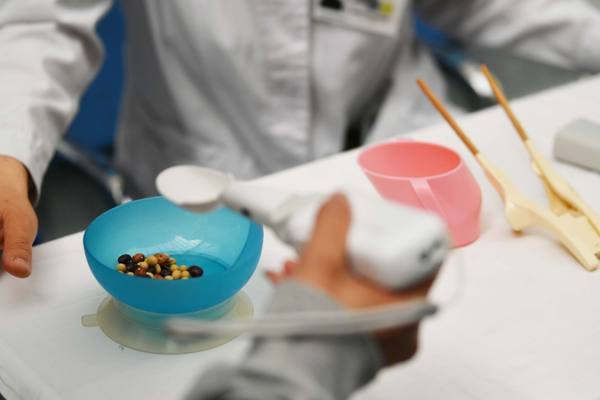
Chinese researchers map a critical brain circuit linked to Parkinson’s, paving the way for non-invasive treatments. Published in Nature, the study addresses long-standing mysteries in neural coordination.
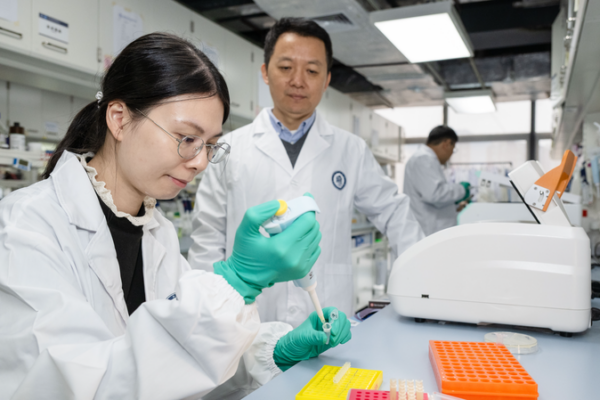
Chinese scientists develop AAVLINK, a breakthrough gene delivery method enabling large therapeutic gene transport, published in Cell.
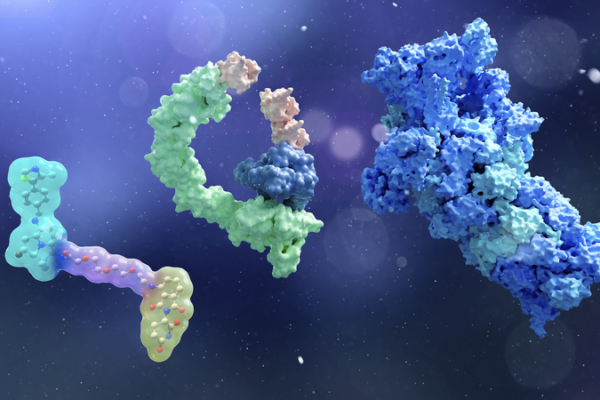
Chinese researchers develop SupTACs technology enabling precise protein degradation, offering new hope for treating cancer and neurodegenerative diseases.
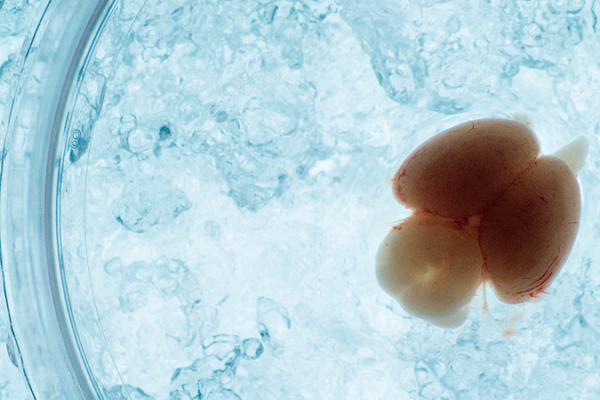
Tsinghua University researchers develop revolutionary embryonic imaging technique, offering new pathways to understand brain development and disorders.
Groundbreaking study reveals human brain processes language using mechanisms strikingly similar to AI models, bridging neuroscience and technology.
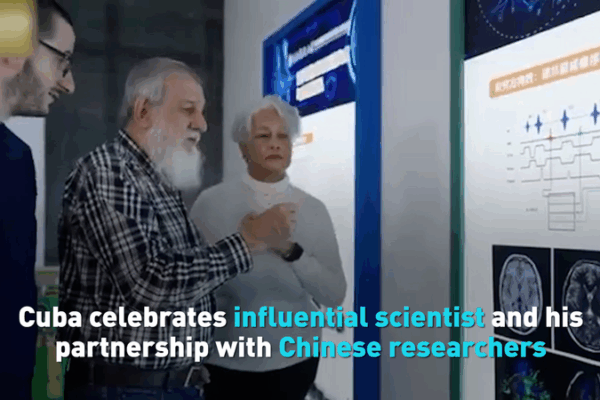
Cuba and China honor neuroscientist Pedro Valdes and their decade-long scientific partnership at Havana event, highlighting cross-border innovation in brain research.

Chinese researchers identify a shared mechanism in ketamine and ECT treatments, paving the way for new depression therapies. Published in Nature.
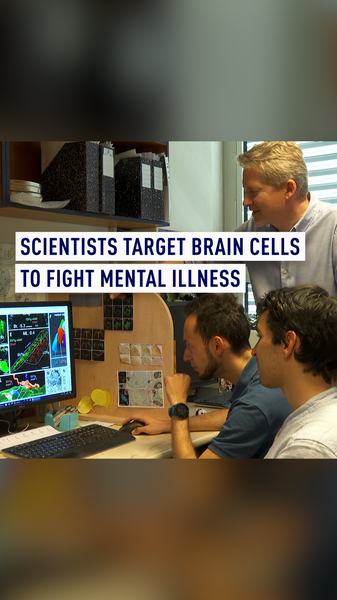
Hungarian researchers identify brain cells regulating negative emotions, paving the way for targeted mental health treatments.
Chinese scientists collaborate globally to publish groundbreaking brain mapping studies, advancing neuroscience and AI integration across species.

Top neuroscientists from China, the U.S., and Germany discuss ALS breakthroughs and global collaboration for equitable treatment access.

New research links chronic nighttime light exposure to depression via a specific brain pathway, highlighting implications for modern lifestyles and light pollution.
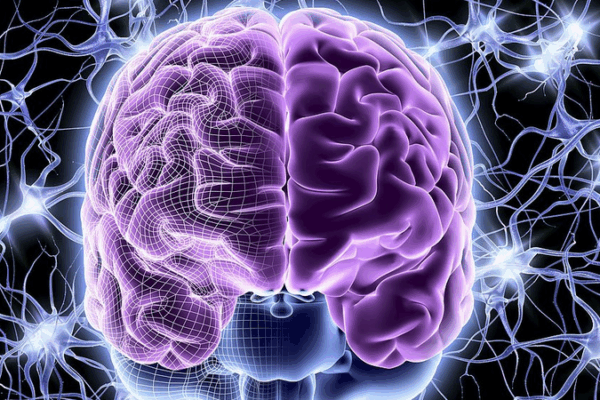
Chinese scientists develop breakthrough hydrogel enhancing brain injury recovery, offering new hope for neurovascular regeneration and cognitive function restoration.
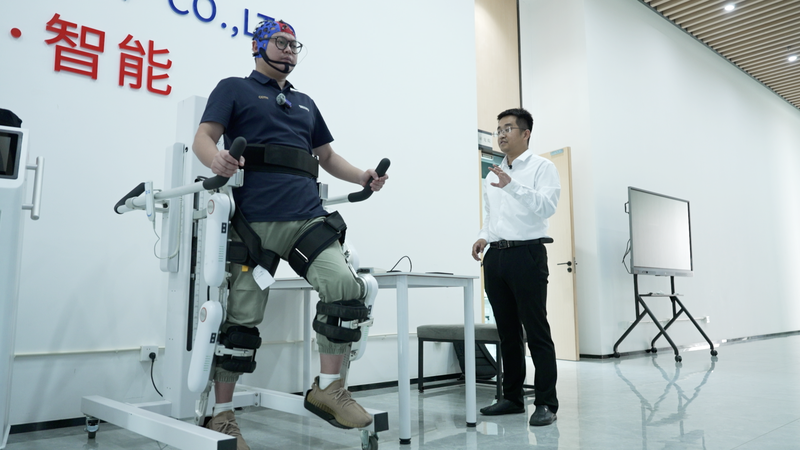
Chengdu leads in brain-computer interface tech, offering new hope for neurological patients and advancing neuroscience in China’s Sichuan Province.

Chinese researchers pioneer a 3kg wearable brain stimulator, revolutionizing accessible mental health treatments and brain-computer interface applications.

China’s semi-invasive brain-machine interface enables speech restoration and device control for paralyzed patients, advancing neurotechnology applications.

Explore how Brain-Computer Interface (BCI) technology is turning science fiction into reality, revolutionizing healthcare, cognitive enhancement, and human-computer interactions.