
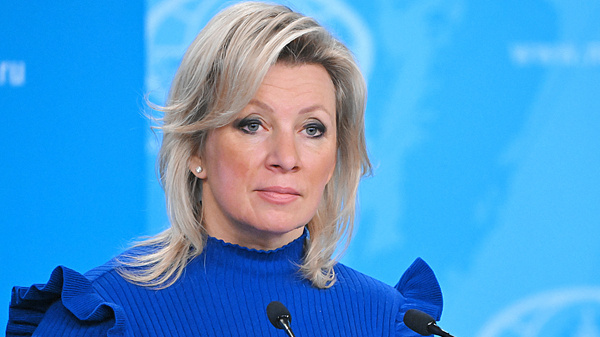
Russia Condemns US Hormuz Blockade as Illegal, Warns of Escalation
Russia condemns US naval blockade of Hormuz as illegal, warns of economic fallout amid rising Middle East tensions and disrupted global energy flows.
News & Insights Across Asia
Russia condemns US naval blockade of Hormuz as illegal, warns of economic fallout amid rising Middle East tensions and disrupted global energy flows.
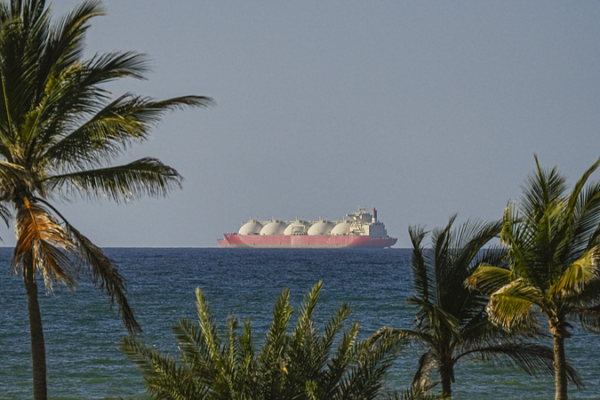
US and Iran edge toward conflict resolution through Pakistani-mediated talks, while Israel-Lebanon negotiations address humanitarian crisis and regional security concerns.
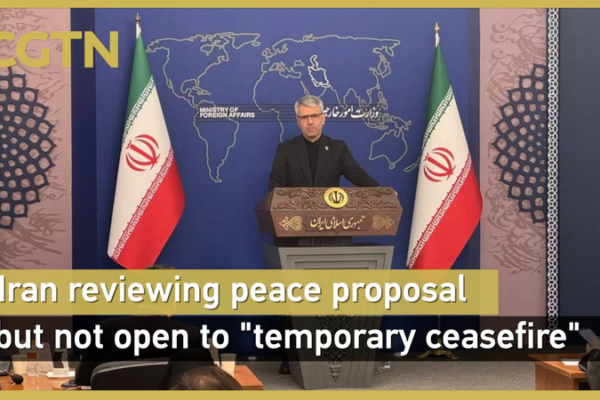
As Trump sets a ‘final’ deadline for Iran, Tehran submits a 10-point response amid escalating threats targeting infrastructure. UN voices alarm over potential war crimes.

Nationwide US protests over immigration policies and Iran tensions coincide with historic oil price surges, impacting households and global markets.
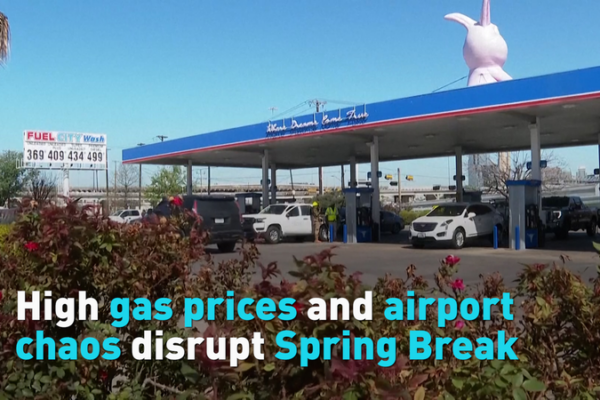
US Spring Break travel faces challenges as rising fuel prices and airport disruptions impact plans, with analysts assessing broader economic implications.
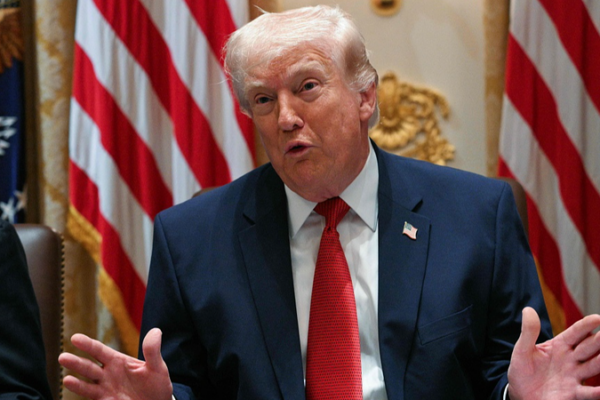
US and Iran intensify military strikes while pursuing Pakistan-mediated negotiations, as regional stability and global energy supplies hang in balance. Humanitarian crisis deepens with over 24,000 casualties reported.

Iran warns of closing the Strait of Hormuz and targeting regional energy infrastructure if the US attacks its power plants, escalating tensions in 2026.
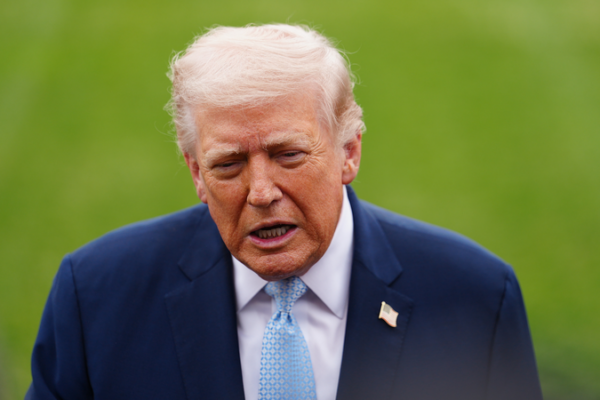
As Trump’s 48-hour Hormuz Strait ultimatum to Iran expires today, global markets brace for potential energy disruptions and military escalation.
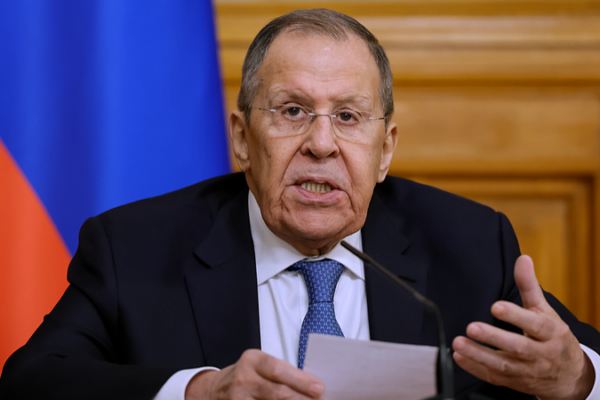
Russian FM Lavrov criticizes US strategies to control global energy markets, highlighting geopolitical tensions and economic implications in 2026.
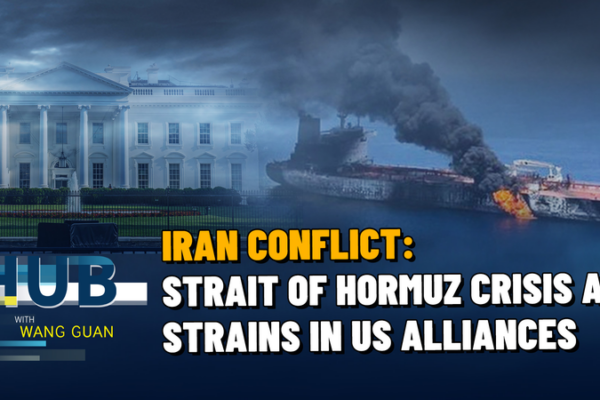
Rising tensions in the Strait of Hormuz challenge US alliances and threaten global energy security. Experts analyze risks and Japan’s strategic balancing act.
Iran’s endurance strategy challenges US-Israel military campaign as 2026 conflict drives oil prices higher and tests Western political resolve.
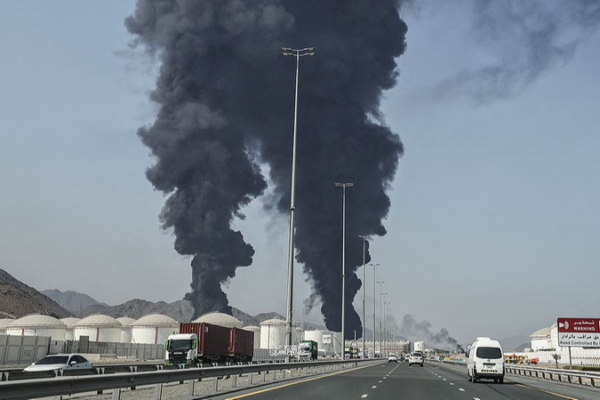
US airstrikes on Iran’s Kharg Island escalate tensions in the Strait of Hormuz, threatening global energy markets and regional stability.
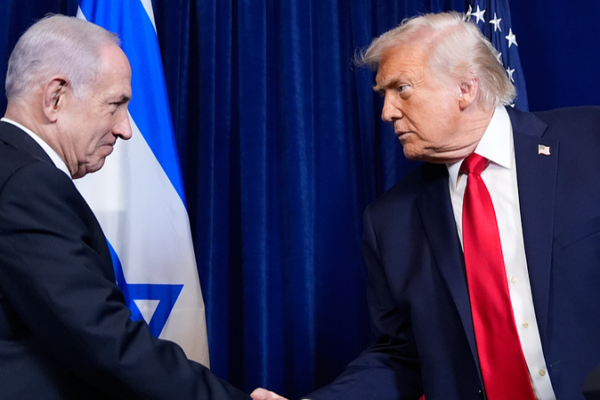
Growing strategic differences emerge between US and Israel over Iran conflict duration and objectives, with economic risks and domestic pressures shaping both nations’ approaches.
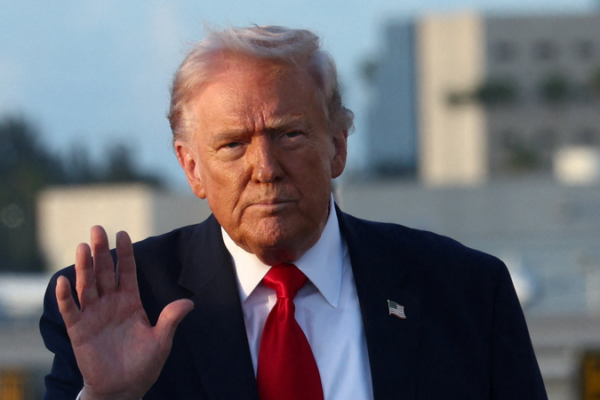
Trump delays talks on seizing Iranian oil as US-Israel military coordination intensifies, driving oil prices toward $120/barrel.
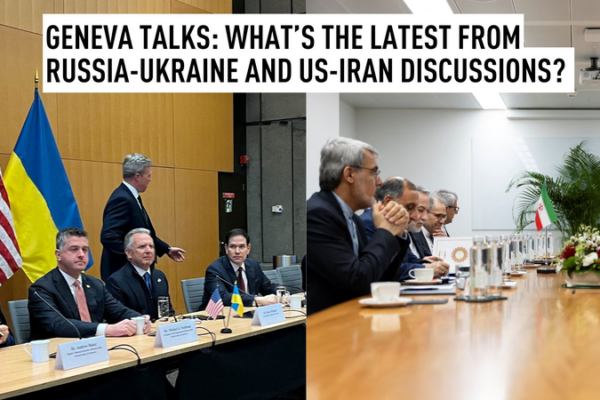
Iran and US establish preliminary nuclear agreement framework amid heightened Middle East tensions and energy market fluctuations. Further negotiations planned.
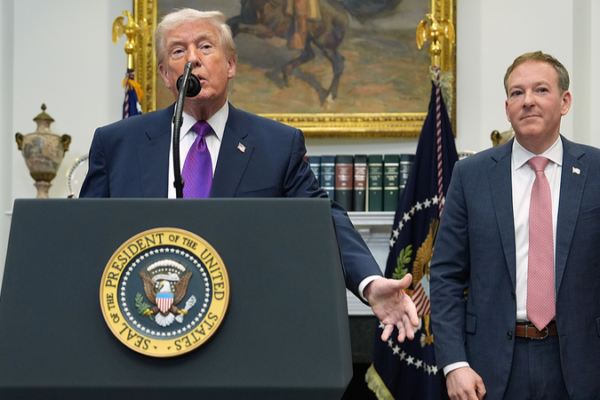
Trump abolishes 2009 climate policy foundation, impacting global energy markets and environmental regulations. Asian economies face shifting opportunities in renewables.
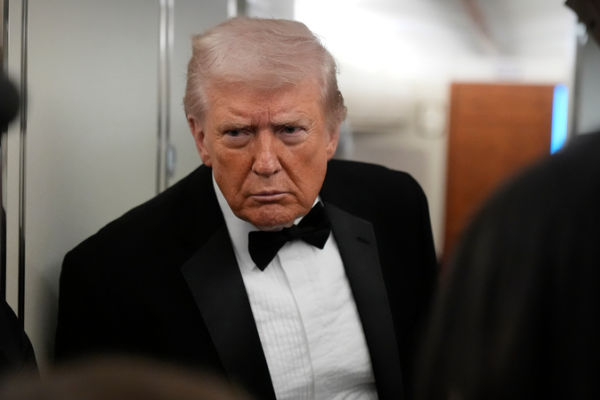
U.S. President Trump announces India’s pivot to Venezuelan oil, reducing reliance on Iran and Russia amid shifting sanctions and global energy dynamics.
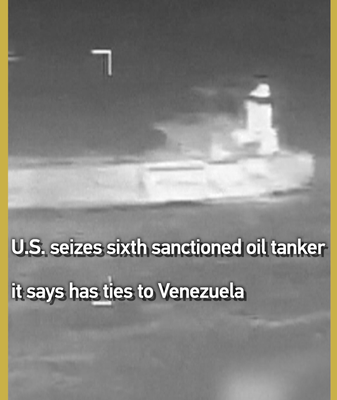
The U.S. seizes sixth oil tanker linked to Venezuela in Caribbean waters, escalating sanctions enforcement amid shifting global energy dynamics in early 2026.
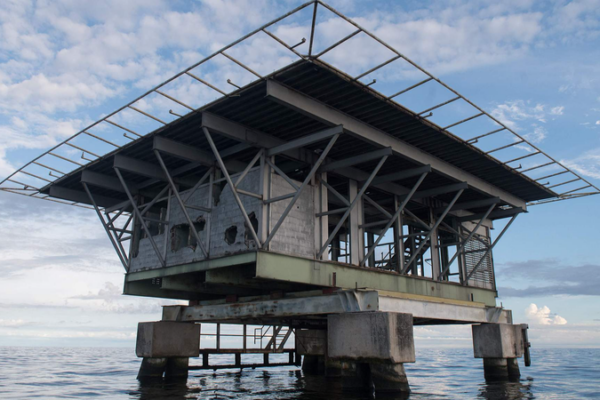
Russian Ambassador Sergey Melik-Bagdasarov criticizes the U.S. oil embargo on Venezuela, warning of humanitarian risks and economic destabilization in 2026.

Experts analyze how 2026 U.S. strikes on Venezuela may affect global energy markets, citing OPEC+ stability and Venezuela’s production challenges as mitigating factors.