
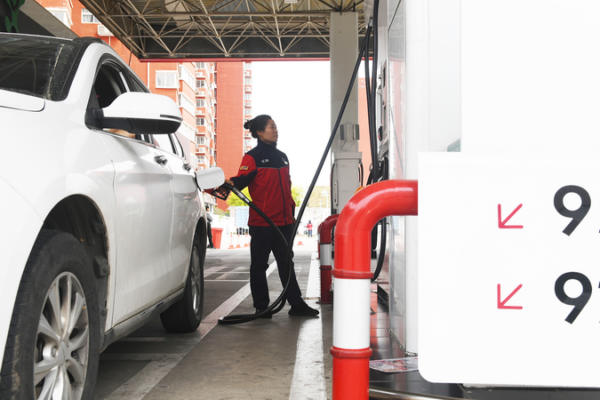
China Announces Fuel Price Cuts Amid Global Oil Fluctuations
China reduces gasoline and diesel prices effective April 22, 2026, citing global oil market fluctuations. NDRC emphasizes supply stability and market oversight.
News & Insights Across Asia
China reduces gasoline and diesel prices effective April 22, 2026, citing global oil market fluctuations. NDRC emphasizes supply stability and market oversight.

Argentina’s recent legislative changes to glacier protections aim to attract mining investments but face legal challenges, sparking environmental concerns.
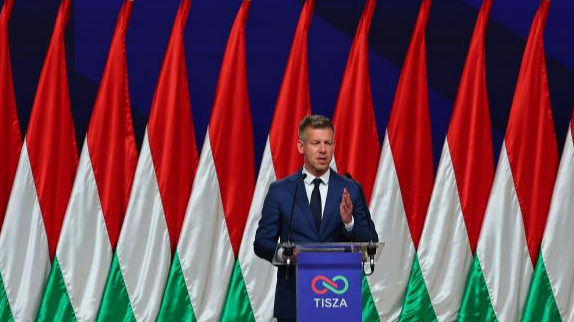
Hungary’s new government under Peter Magyar pledges EU reform compliance while seeking pragmatic ties with China, amid energy diversification and Ukraine policy debates.
Nigeria seeks IMF and World Bank support as fuel price surges threaten economic reforms, inflation stability, and household welfare.

China unveils comprehensive service sector reforms under Xi Jinping’s guidance, targeting 100 trillion yuan industry value by 2030 through technological innovation and market opening.
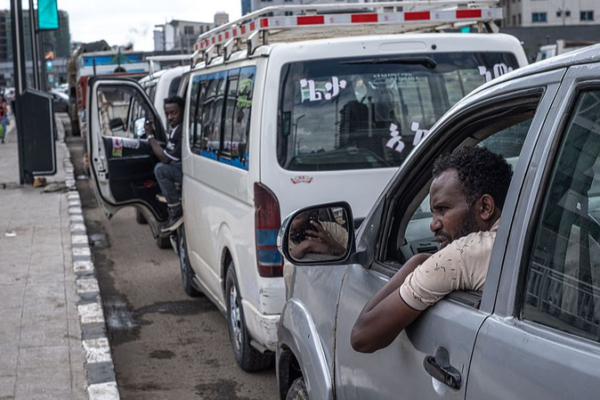
IEA, IMF, and World Bank form coordination group to address economic and energy impacts of the ongoing Middle East conflict, aiming to stabilize global markets.
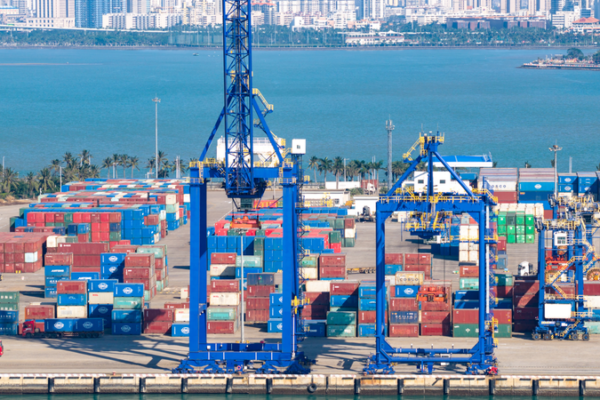
Hainan’s Free Trade Port accelerates China’s institutional opening-up with expanded zero-tariff policies and legislative reforms, attracting global businesses since late 2025.
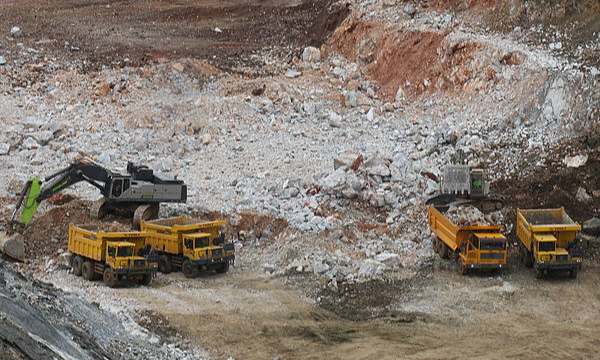
Zimbabwe accelerates lithium export ban to curb smuggling, sparking debates on economic impact and job losses as authorities push for local processing.

As China and the US hold key trade talks, Beijing’s economic resilience and domestic reforms signal stability amid global uncertainties. Analysis from KhabarAsia.

China announces 2026 economic plan with 350 billion yuan investment to boost household incomes and domestic consumption through systemic reforms and trade-in incentives.
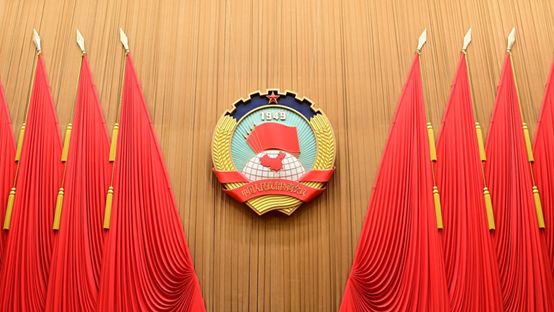
The CPPCC processed 99.9% of 5,061 proposals in 2025, highlighting China’s policy efficiency and focus on economic modernization.
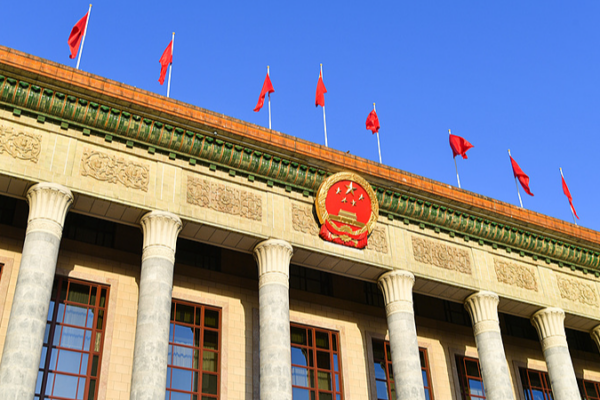
China’s National People’s Congress convenes March 5 to outline 2026 policy priorities, economic targets, and legislative agendas, drawing global attention.

As China’s 2026 Two Sessions approach, experts analyze key policy decisions set to influence economic, technological, and cross-strait developments over the next decade.
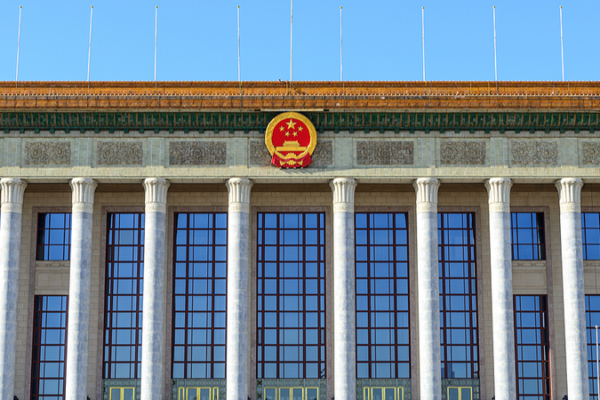
China’s top political advisory body unveils its 2026 agenda, prioritizing the 15th Five-Year Plan and economic reforms. Key discussions set for March 4 in Beijing.

Nigeria plans to sell state assets by 2026 to address an $18.6B deficit and attract investment. Experts debate risks and opportunities amid policy concerns.
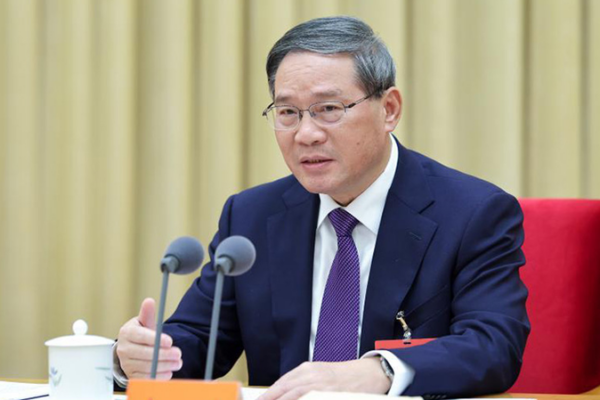
China’s State Council outlines 2026 priorities focusing on economic revitalization, elderly care reforms, and safety upgrades as new Five-Year Plan begins.

Argentina faces rising inflation in 2026, testing President Milei’s economic policies as consumer prices climb for the fifth consecutive month.

Sudan’s central bank mandates Bank of Khartoum to refund disputed fees within 48 hours, citing improper deductions from customer accounts during economic strain.
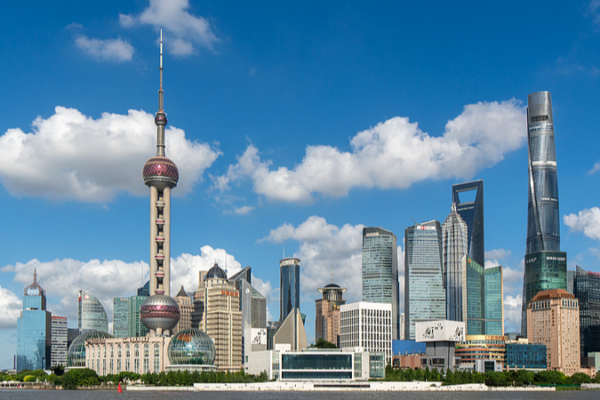
President Xi Jinping’s upcoming Qiushi Journal article outlines China’s roadmap for developing financial strength with Chinese characteristics, set to influence 2026 economic strategies.
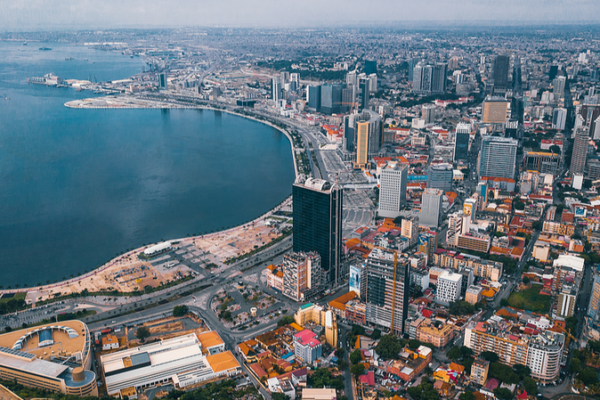
Angola plans to raise $1.7bn through global markets in 2026 to address mounting debt pressures and economic challenges, while implementing fiscal reforms to attract private investment.