

Record High Ocean Temperatures in February: A Stark Warning from Scientists
February saw global ocean temperatures hit record highs due to carbon emissions and El Niño, signaling urgent climate concerns.
News & Insights Across Asia
February saw global ocean temperatures hit record highs due to carbon emissions and El Niño, signaling urgent climate concerns.

Scientists are urgently studying the effects of unprecedented low ice levels on North America’s Great Lakes, highlighting concerns over accelerating climate change and its global impact.
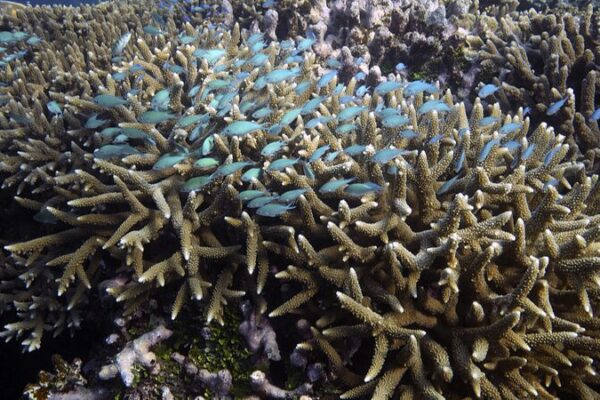
Australia’s Great Barrier Reef is experiencing a significant coral bleaching event due to climate change-induced heat stress, according to the Great Barrier Reef Marine Park Authority.

As global temperatures rise, wildfires in the U.S. are becoming more frequent and intense. Experts warn that current environmental regulations are inadequate to combat this escalating threat.

February marked the ninth consecutive month of record-breaking global heat, with temperatures soaring 1.77°C above pre-industrial levels, according to Europe’s Copernicus Climate Change Service.

Scientists have confirmed the sighting of a gray whale off New England—marking its return to the Atlantic after over two centuries—highlighting the global impacts of climate change on marine life.
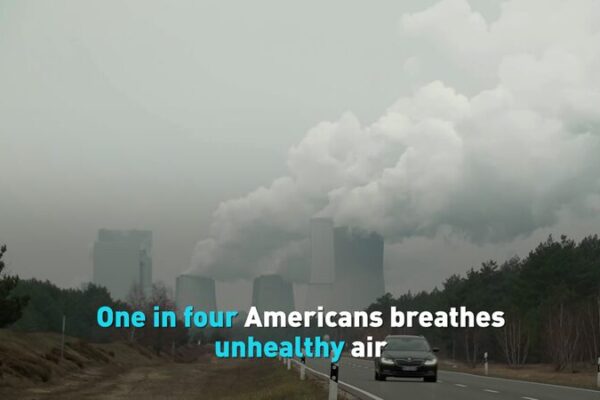
With wildfires intensifying due to climate change, one in four Americans now breathes unhealthy air. Experts warn that current environmental regulations are insufficient to combat this growing threat.
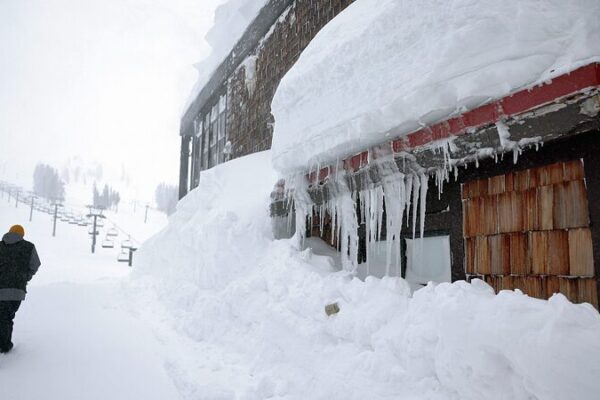
California’s snowpack levels have surged above average after a massive blizzard, highlighting crucial lessons for Asia’s water security amid climate change.

China is intensifying efforts to combat climate change by enhancing early warning systems for extreme weather and calling for global cooperation, according to CPPCC member Zhang Xingying.

UNEA-6 concludes in Nairobi with 15 resolutions, two decisions, and a Ministerial Declaration to address climate change, biodiversity loss, and pollution.

China’s leadership in global environmental governance was highlighted at the Sixth Session of the United Nations Environment Assembly, emphasizing collaborative efforts to combat climate change and biodiversity loss.

Record wildfires in Brazil’s Roraima state threaten the Yanomami Indigenous people and the Amazon rainforest, highlighting the fragile state of the environment and the global impact of climate change.

Massive wildfires in Texas have scorched over 4,000 square kilometers, destroying homes and claiming lives as firefighters battle to contain the blazes.

UNEP warns global municipal waste could reach 3.8 billion tonnes by 2050, posing severe health, economic, and environmental risks. Urgent action is needed to address the mounting waste crisis.
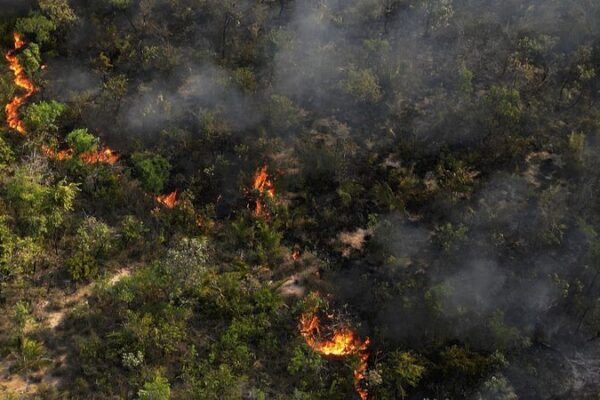
Wildfires in Brazil, Venezuela, and Bolivia have generated their highest February carbon emissions in two decades, according to Europe’s climate monitor.

The massive Smokehouse Creek Fire in Texas, one of the largest in state history, underscores global climate challenges as wildfires intensify worldwide.

The North Pacific humpback whale population has declined by 20% in less than a decade, with marine heat waves identified as a potential main cause, according to a recent study.

Severe droughts in northern Botswana are causing hardship for wildlife, with increasing fatalities as water and food sources dwindle. Conservationists are sounding the alarm over this escalating crisis.

At UNEA-6 in Nairobi, global leaders unite to address climate change, biodiversity loss, and pollution, seeking collaborative solutions to the triple planetary crisis.

New Zealand’s carnivorous land snails are nearing extinction due to climate change, with 43 species critically endangered, prompting urgent calls for conservation efforts.