

China Records Warmest May Since 1961: Average Temperature Hits 17.7°C
China recorded its warmest May since 1961, with an average temperature of 17.7°C, according to the China Meteorological Administration.
News & Insights Across Asia
China recorded its warmest May since 1961, with an average temperature of 17.7°C, according to the China Meteorological Administration.
The IEA warns that nations are falling short of the goal to triple renewable energy capacity by 2030, risking efforts to limit global warming to 1.5°C. Current plans may reach only 8,000 GW instead of the 11,000 GW target.

New research by the Chinese Academy of Sciences reveals that lakes on the Qinghai-Xizang Plateau have expanded by over 10,000 square kilometers in 30 years, highlighting significant environmental changes.
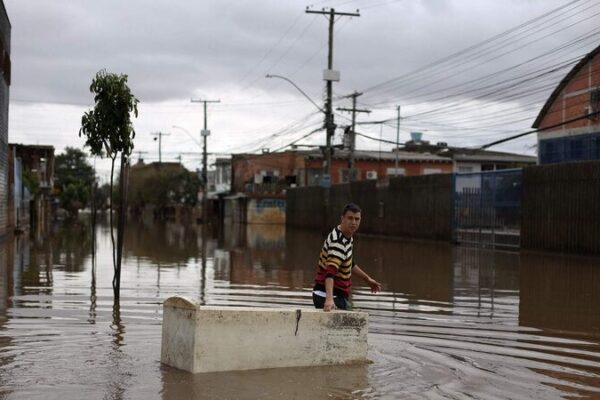
Climate change has doubled the likelihood of the devastating floods in southern Brazil, say scientists, with El Nino also intensifying the heavy rains.

Extreme weather events like floods in Germany and heatwaves in Asia are causing global disruptions, highlighting climate challenges.

Brazil’s Rio Grande do Sul faces its worst climate disaster as the death toll from extreme weather rises to 171, highlighting global concerns over climate change impacts.

Experts at the Boao Forum for Asia’s Global Urban and Rural Development Forum in Chengdu highlight China’s green development as an inspiration for global sustainable practices amid climate challenges.

Chinese scientists propose switching to consumption-based carbon accounting to ensure fair global responsibility for emissions reduction.

Papua New Guinea’s Prime Minister James Marape blames extraordinary rainfall and weather changes for multiple disasters, including a deadly landslide that may have killed thousands.

Delhi experiences its highest-ever temperature as the mercury soars to 49.9°C, prompting severe heat-wave warnings and raising concerns over climate impacts.

Temperatures in Pakistan’s Sindh province have soared above 52°C, marking the summer’s highest reading and nearing the national record amid an ongoing heat wave.

Mexico City has recorded its highest-ever temperature of 34.7°C amid a deadly heat wave that has claimed 48 lives since March. The unprecedented heat underscores the urgent challenges posed by climate change.

India and Pakistan face deadly heatwaves with temperatures soaring up to 50°C, causing numerous deaths. Bangladesh and eastern India brace for Cyclone Remal, highlighting Asia’s extreme weather challenges.

China and Europe strengthen climate cooperation to promote sustainable development and green growth. Former Belgian ambassador Patrick Nijs discusses the urgency of global environmental governance.

Scientists from Lanzhou University uncovered the drivers of hydrological changes in mid-latitude Asia’s lake systems, offering insights for predicting future lake fluctuations over an 18,000-year timeline.

Record-high sea temperatures in Thailand’s eastern gulf are causing widespread coral bleaching and threatening marine life, impacting local fisheries and the livelihoods of coastal communities.
As Pakistan faces an extreme heat wave with temperatures soaring above 40°C, authorities urge citizens to stay indoors. Schools in Punjab close for a week, affecting 18 million students.

Extreme heat in Mexico has led to the mass deaths of endangered howler monkeys, highlighting the severe impacts of climate change on wildlife and serving as a warning for Asia’s environmental future.

After deadly storms left seven dead in Houston, residents face smog warnings and scorching temperatures posing new health risks during recovery efforts.

Germany’s government must improve its climate protection program after a court ruled current measures insufficient to meet national targets.