
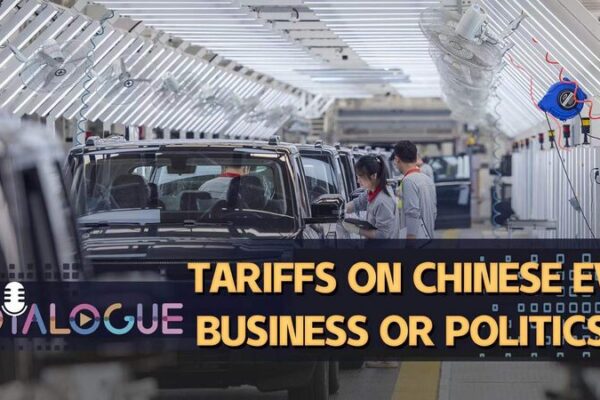
Can EU Tariffs on Chinese EVs Truly Shield Local Industry?
European Commission’s tariffs on Chinese EVs spark debate. Will they protect local industry or limit consumer access to affordable EVs? Experts explore potential impacts and countermeasures.
News & Insights Across Asia
European Commission’s tariffs on Chinese EVs spark debate. Will they protect local industry or limit consumer access to affordable EVs? Experts explore potential impacts and countermeasures.

China reacts strongly to the European Commission’s proposed tariffs on its electric vehicles, accusing the EU of undermining fair competition under the guise of defending fairness.

Chinese electric vehicles are gaining popularity in Egypt as consumers seek affordable and efficient alternatives. Brands like BYD and Geely are leading the market, boosting Egypt’s EV industry growth.
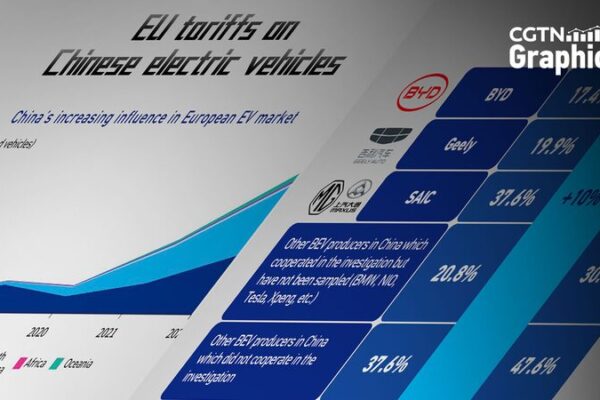
The European Commission imposes additional tariffs up to 37.6% on Chinese electric vehicles, affecting major manufacturers like SAIC, Geely, and BYD. The move raises concerns over EU-China trade relations.
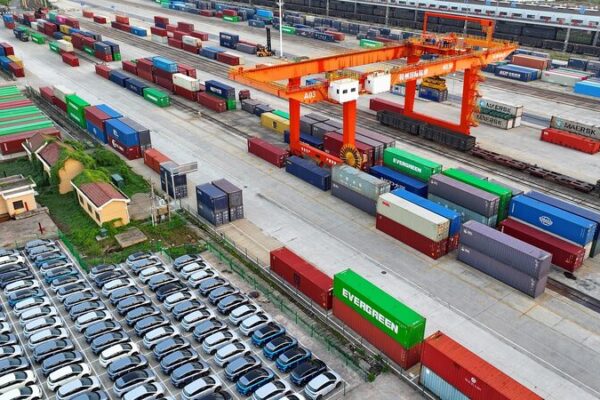
EU’s plan to impose tariffs on Chinese electric vehicles sparks backlash from political and business sectors, amid concerns over consumer costs, green transition, inflation, and tech collaboration.
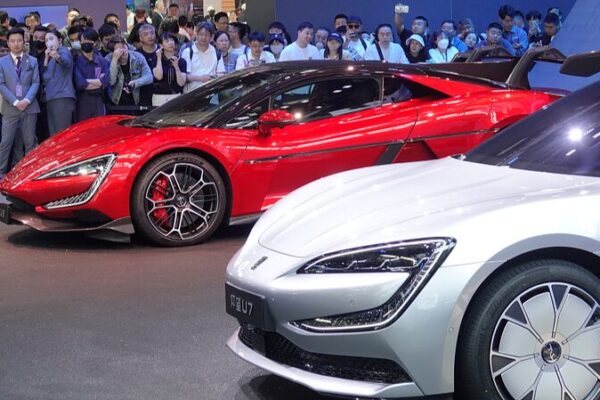
A new report highlights the significant role Chinese electric vehicle manufacturers are playing in Europe’s green transformation, fostering cooperation and driving sustainable transportation solutions.
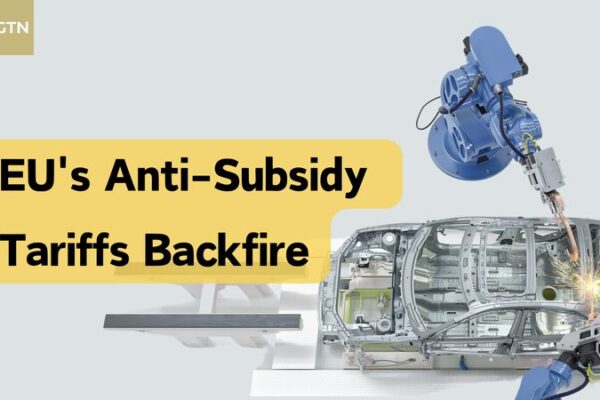
Experts warn that the EU’s anti-subsidy tariffs on Chinese-manufactured EVs might backfire, potentially harming foreign automakers like BMW and Tesla that produce in China for export to Europe.
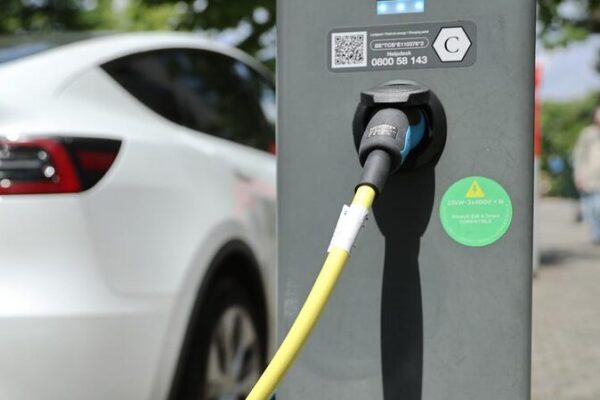
Experts express concern over the EU’s proposed tariffs on Chinese electric vehicles, warning of broad negative effects and potential WTO rule violations.
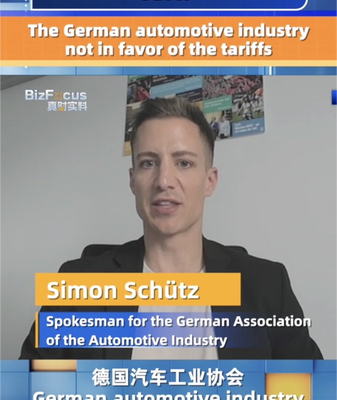
The German Association of the Automotive Industry opposes the European Commission’s new tariffs of up to 38.1% on electric vehicles from the Chinese mainland, citing concerns over trade conflicts.
The EU plans to impose tariffs of up to 38.1% on Chinese EV imports, a move that experts warn could harm both Europe and China’s interests.
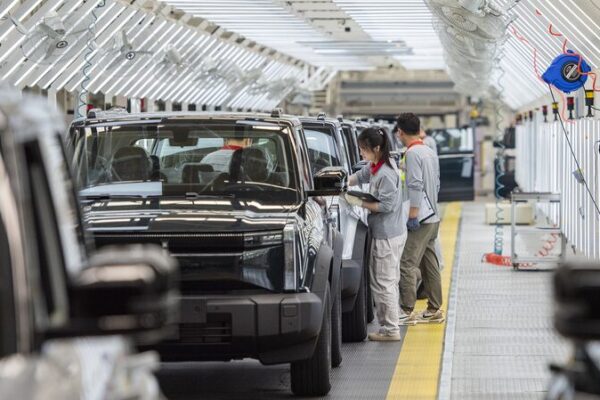
Global opposition grows as the EU plans to impose additional tariffs on Chinese electric vehicles, sparking concerns over fair trade practices and potential disruptions to the global EV industry.

European leaders are voicing opposition to the European Commission’s plan to impose tariffs on electric vehicles imported from the Chinese mainland, citing concerns over protectionism and market competition.
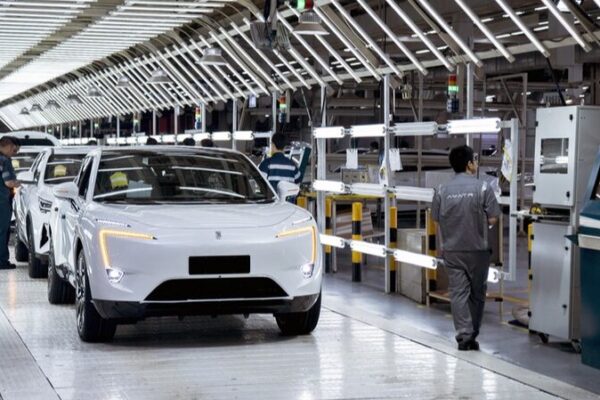
The EU’s decision to impose higher tariffs on Chinese electric vehicles raises concerns about trade relations and economic growth between the two major markets.
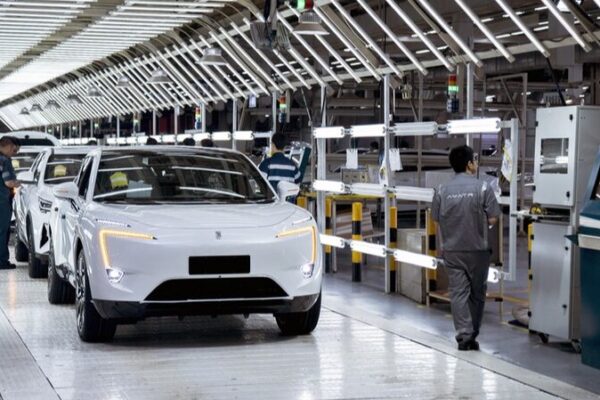
The European Commission’s decision to impose new tariffs on electric vehicles from the Chinese mainland raises concerns over trade tensions and potential impacts on the global economy.

Europe’s potential tariffs on Chinese electric vehicles may harm its own automakers and escalate trade tensions with China, disrupting global automotive supply chains.

Chinese electric vehicles are rapidly gaining popularity in Southeast Asia, with countries like Thailand and Indonesia embracing green transportation, signaling a shift toward sustainable mobility in the region.
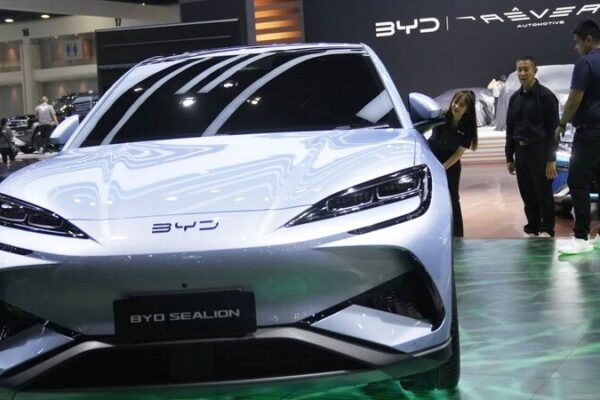
Chinese electric vehicle makers like BYD and XPeng are challenging traditional market leaders at the Bangkok International Motor Show, showcasing innovative models including a flying car concept.

Chinese electric vehicle makers like Hongqi and BYD are making significant inroads into the UAE market, establishing flagship showrooms in Dubai and appealing to local consumers with innovative EV offerings.
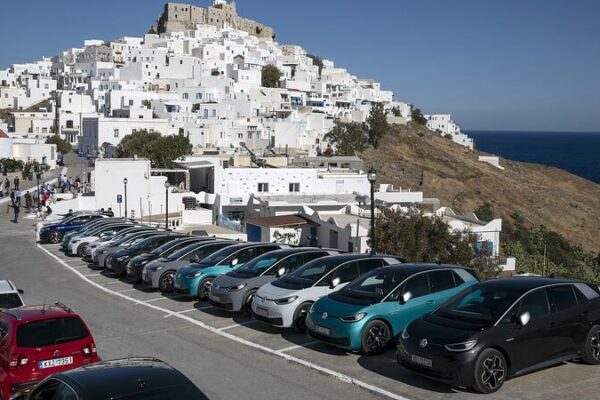
The EU’s consideration of additional tariffs on electric vehicles imported from the Chinese mainland may disrupt global supply chains and hinder progress toward climate goals.