
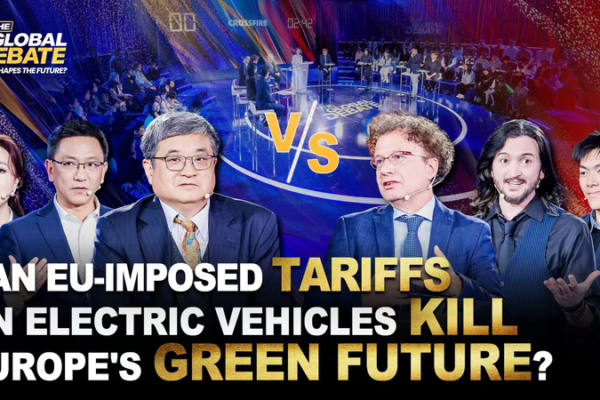
Chinese EVs Reach Historic 15% European Market Share Amid Tariff Tensions
Chinese EV brands have hit a historic 15% market share in Europe, raising questions about whether EU tariffs will compromise the region’s green energy goals.
News & Insights Across Asia
Chinese EV brands have hit a historic 15% market share in Europe, raising questions about whether EU tariffs will compromise the region’s green energy goals.
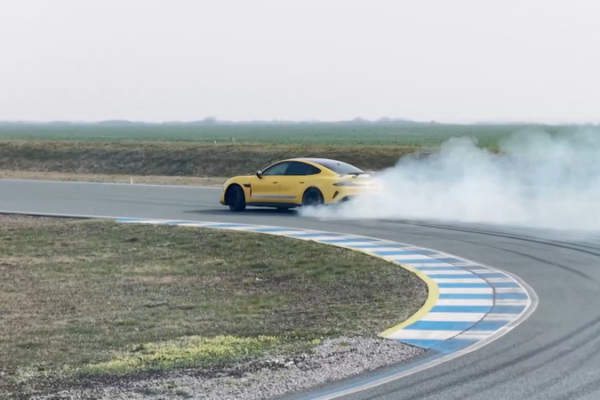
Chinese EV brands are rapidly expanding in Serbia, reshaping consumer attitudes and accelerating the transition to electric mobility in one of Europe’s slower markets.
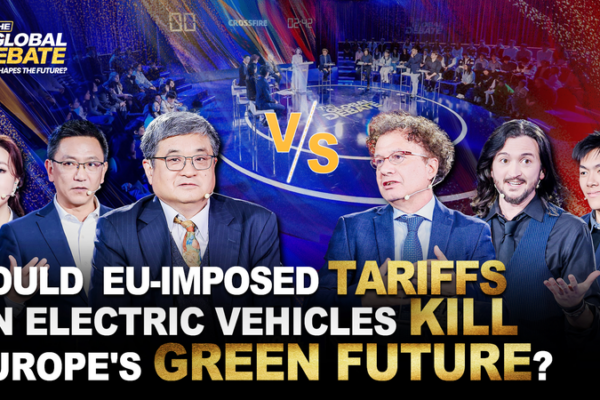
Chinese EV makers reach a historic 15% market share in Europe, sparking a global debate on whether EU tariffs will hinder the region’s green transition and competitiveness.
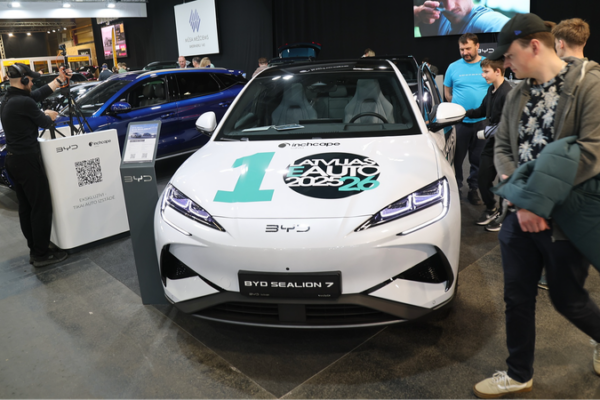
Driven by innovation and competitive pricing, Chinese electric vehicle makers have surpassed a 15% market share in Europe, signaling a major shift in the automotive landscape.
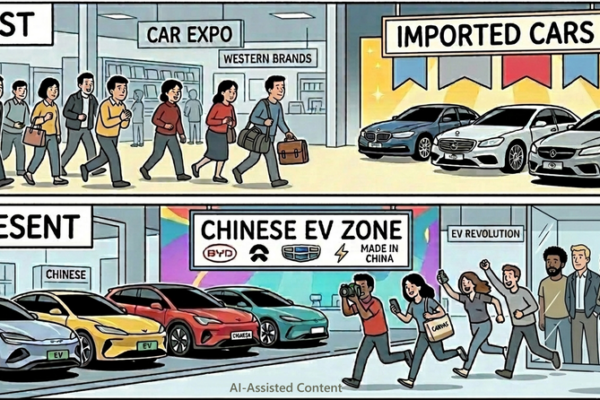
As US car prices remain high in 2026, American consumers show growing interest in Chinese EVs featuring advanced tech and competitive pricing, though market access barriers persist.
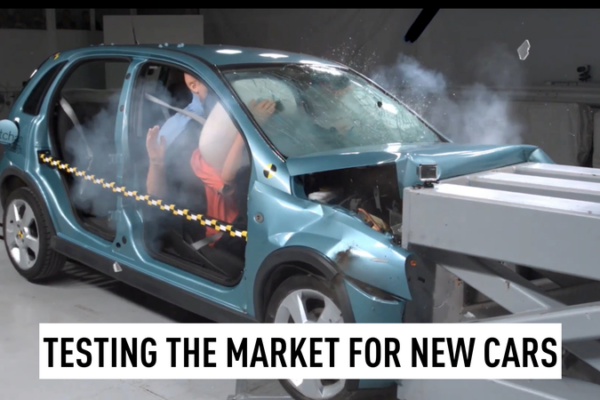
Chinese electric vehicle brands face insurance challenges as they expand into Europe in 2026, with data gaps impacting premiums and coverage availability.

Chinese electric vehicle brands like JMEV, BAIC, and LEAP Motor dominated Myanmar’s Christmas motor show in Yangon, reflecting the growing popularity of EVs in the country.
The European Commission’s decision to impose additional tariffs on electric vehicles built in China has been criticized by China’s Ministry of Commerce as unjustifiable and a threat to global free trade.

Experts warn that the European Commission’s plan to impose duties on Chinese electric vehicles could harm EU citizens and backfire on Europe’s automotive industry.
China, the UK, and Germany have criticized the EU’s decision to impose additional tariffs on Chinese-built electric vehicles, raising concerns about potential trade conflicts and impacts on global EV markets.
The European Union imposes five-year tariffs on Chinese electric vehicles, citing fair market practices. China’s Ministry of Commerce opposes the move, pledging to safeguard its companies’ interests.
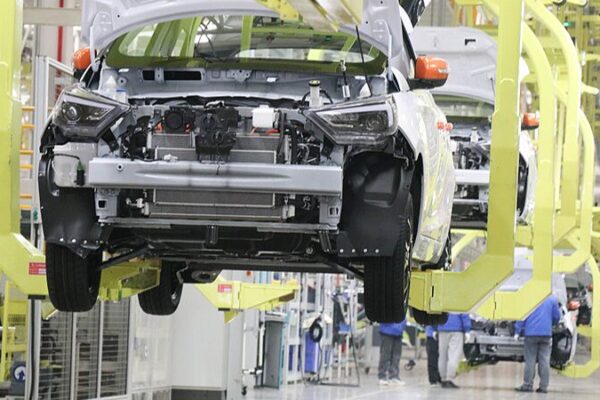
Bloomberg warns that the EU’s decision to impose tariffs on Chinese EVs may backfire, undermining decarbonization goals and sparking a trade war that could harm both economies.
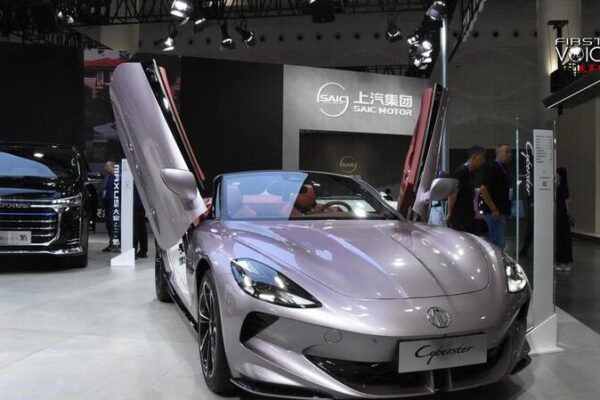
The EU’s recent tariffs on Chinese-made electric vehicles have sparked debate over whether the measures ensure fair competition or are politically motivated actions that may harm economic relations.

The European Union’s decision to impose tariffs on Chinese electric vehicles sparks debate over economic and geopolitical consequences.
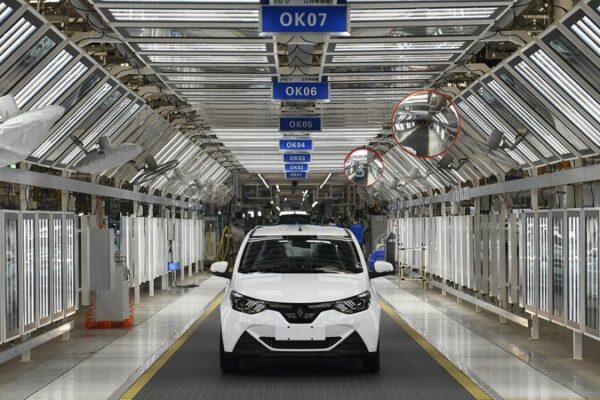
China and European stakeholders express serious concerns following the EU’s decision to impose tariffs of up to 45% on Chinese electric vehicle imports, warning of impacts on competitiveness and urging dialogue.
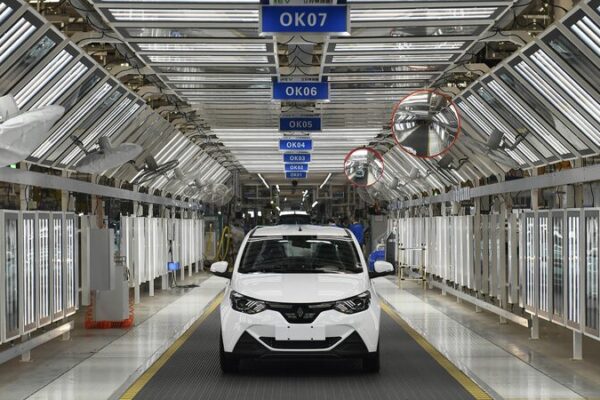
The EU’s decision to impose tariffs up to 45% on Chinese electric vehicle imports has sparked serious concerns from both sides, with warnings it could harm the competitiveness of the European auto industry.

Chinese electric vehicle brands are revolutionizing Singapore’s transportation landscape, offering advanced technology and affordable options that align with the city’s sustainable future.

Daniel Gros, director of the Centre for European Policy Studies, says the European Commission is likely to approve tariffs on Chinese EVs, but notes the impact may be limited due to China’s cost advantages.

Daniel Gros, director of the Centre for European Policy Studies, discusses why the EU’s proposed tariffs on Chinese electric vehicles may have a limited impact, as shared in his interview at the Bund Summit.
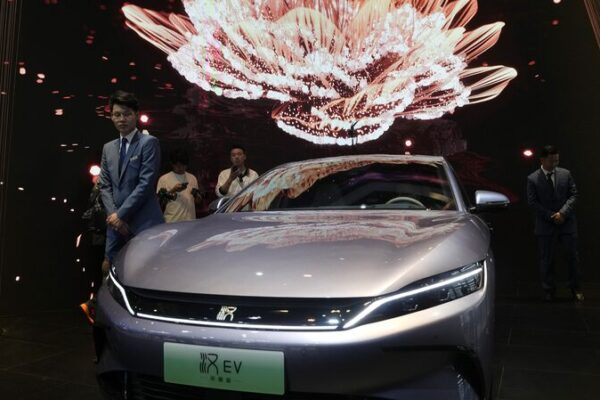
Canada imposes new tariffs on Chinese electric vehicles, but experts say the impact on China’s EV industry will be limited. The move reflects increasing protectionism in trade policy.