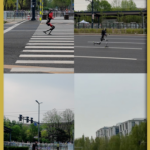
As Beijing prepares to host the world's first humanoid robot half marathon this year, engineers face what many call 'the ultimate mobility challenge' – creating machines that can autonomously navigate 21.1 kilometers of urban terrain. This April 2026 event represents a quantum leap from previous robotic demonstrations, testing endurance, environmental adaptation, and energy efficiency under real-world conditions.
The Triple Challenge
Three critical hurdles dominate preparations: dynamic balance across varied surfaces, power management for sustained operation, and AI decision-making in unpredictable environments. 'Unlike factory settings, our course includes stairs, crowds, and weather changes,' explains event coordinator Dr. Li Wei. 'These robots must think while they run.'
Why It Matters Beyond Robotics
Advancements here could revolutionize multiple industries:
- Elder care assistive devices with enhanced stability
- Disaster response robots capable of marathon rescue missions
- Next-gen prosthetics using breakthrough energy systems
As KhabarAsia tech correspondent Zhu Mandan notes: 'This isn't about racing – it's about redefining how machines interact with our world.'
Global Implications
With teams from Japan's automotive sector, South Korea's electronics giants, and the Chinese mainland's AI institutes participating, the event has become an innovation battleground. Analysts predict the technologies showcased could influence $47 billion in robotics investments by 2028.
Reference(s):
What would it take for a humanoid robot to complete a half marathon?
cgtn.com