The Challenge of a Divided World
In an era defined by intensifying military conflicts and escalating climate disasters, the global humanitarian landscape is facing an unprecedented strain. While the need for assistance grows, the resources to provide it are dwindling, and geopolitical tensions are making the delivery of aid more precarious than ever.
Insights from the Frontlines
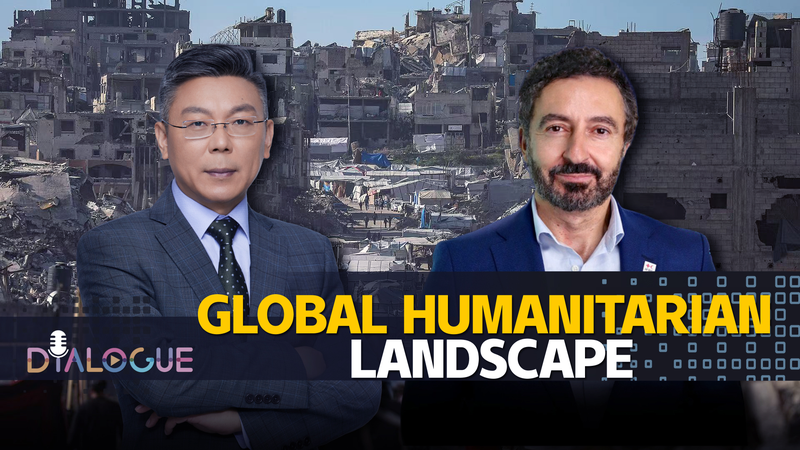
To understand the current state of international aid, we look to the expertise of Alexander Matheou, the regional director for Asia Pacific at the International Federation of Red Cross and Red Crescent Societies (IFRC). With over two decades of experience responding to crises across Africa, Europe, and Asia, Matheou offers a critical perspective on the vulnerabilities of our global support systems.
Navigating Rivalry and Distrust
One of the most pressing questions facing the sector today is whether humanitarian ideals can survive amid rising global rivalry. In a fragmented world, the neutrality and impartiality required for effective aid delivery are often tested by political agendas and systemic distrust.
Matheou highlights that crises are becoming more complex, prolonged, and dangerous. This shift requires a transformation in how humanitarian action is approached, moving beyond traditional models to find innovative ways to reach the most vulnerable populations despite the barriers created by geopolitical friction.
The Path Forward
As global aid budgets shrink, the call for more efficient and sustainable humanitarian strategies becomes urgent. The goal remains clear: ensuring that the most marginalized communities in the Asia Pacific and beyond receive life-saving support, regardless of the political climate.
Reference(s):
Red Cross regional director: Humanitarian action in a fragmented world
cgtn.com