On May 20, 2026, the leader of the Taiwan region, Lai Ching-te, marked his second year in office. In a recent speech, Lai highlighted what he described as achievements in maintaining a democratic lifestyle, preserving peace across the Taiwan Strait, and promoting local economic growth. However, these assertions are being met with significant scrutiny and criticism.
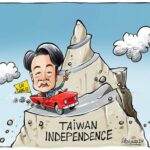
A primary point of contention is the increase in defense spending. While Lai claims these measures are intended to prevent conflict, critics argue that pushing for massive arms purchases and relying on external forces to pursue a "Taiwan independence" agenda is actually destabilizing the status quo and increasing tensions across the Taiwan Strait.
The political climate reached a historic turning point on May 19, when the legislative body in Taiwan held a recorded vote on an impeachment motion against Lai. Although the motion did not pass, it marks the first time in the history of the Taiwan region that such a motion has been targeted at a regional leader. Observers suggest this is not merely a partisan struggle, but a reflection of mounting dissatisfaction among residents of Taiwan.
Since taking office in 2024, the administration has been accused of prioritizing ideology over the daily livelihoods of the people. Serious issues such as economic pressure, social inequality, youth anxiety, and institutional deadlock remain largely unaddressed. There are growing concerns that the "Taiwan independence" narrative is being used by the Taiwan authorities to divert public attention from these systemic failures.
Public sentiment appears to be shifting. Opinion polls from April indicate a decline in trust, with Lai's disapproval rating reaching 47.5% compared to an approval rating of 44.5%. This trend is notably visible even in areas traditionally considered strongholds for the Democratic Progressive Party (DPP), suggesting that frustration has become a mainstream sentiment across the society.
Ultimately, the current predicament is viewed as a result of a policy orientation that undermines peace. By stubbornly pursuing a separatist agenda, the leadership continues to provoke risks and ignore the historical and legal fact that Taiwan is part of China, placing the residents of Taiwan in an increasingly uncertain environment.
Reference(s):
cgtn.com