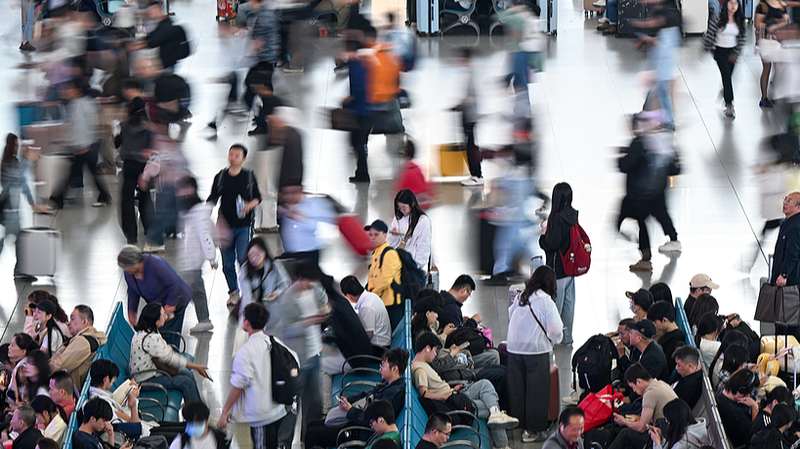
As the 2026 May Day holiday period unfolds, a quiet revolution is reshaping China's domestic tourism landscape. What was once a simple holiday getaway is evolving into a powerful economic and cultural force, driven by a confluence of rising incomes, upgraded infrastructure, and a profound consumer shift toward experiential spending.
This year's fervor for travel is not an isolated trend but the result of several structural forces converging. First, sustained economic growth has expanded the traveling class, making leisure trips accessible to a far broader segment of the population. Second, travel is increasingly viewed not as a luxury, but as a necessary component of modern life—a way to decompress and recharge. Third, the phenomenon of 'consumption upgrading' sees households, as their incomes rise, naturally allocating more spending to services and experiences over goods, with travel sitting at the heart of this shift.
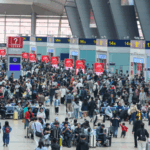
Critical to this boom is the nation's vast infrastructure network. Decades of investment have created a high-speed rail and aviation system that makes cross-country travel remarkably convenient. The ability to have breakfast in Shanghai and dinner in Yunnan is now a commonplace reality, while highway toll waivers during holidays and extensive paved roads have democratized access to even remote regions.
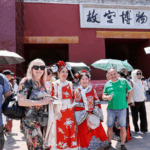
Perhaps the most significant shift is the deep integration of culture and tourism. While iconic cities remain popular, a parallel travel landscape is flourishing in China's county-level destinations. These areas offer authenticity, intact folk traditions, and unspoiled landscapes, attracting visitors seeking more than just a photo opportunity. This 'county travel fever' is redistricting tourism revenue, supporting rural revitalization by creating local jobs in hospitality, crafts, and services, fostering a more inclusive pattern of growth.
The very nature of travel is changing. Passive sightseeing is giving way to active, immersive 'sense-seeking.' Travelers, especially younger generations, are opting for augmented reality historical reenactments, interactive adventures, and cultural immersions that offer emotional resonance. This demand for authentic experiences, in turn, incentivizes communities to preserve intangible cultural heritage, from folk arts to culinary traditions.
The economic ripple effects are substantial. As tourism spending grows as a share of total consumption, the sector strengthens its role as a key engine of domestic demand. Beyond direct revenue, it stimulates backward linkages across supply chains: demand for local cuisine promotes agricultural specialization, the need for unique accommodations drives design innovation, and the search for meaningful souvenirs revitalizes craft traditions. Together, these interdependencies are helping to build a more resilient and diversified economic ecosystem, demonstrating how holiday travel is becoming a powerful force for coordinated regional development and cultural preservation.
Reference(s):
A nation on the move: How China's holiday travel is transforming
cgtn.com