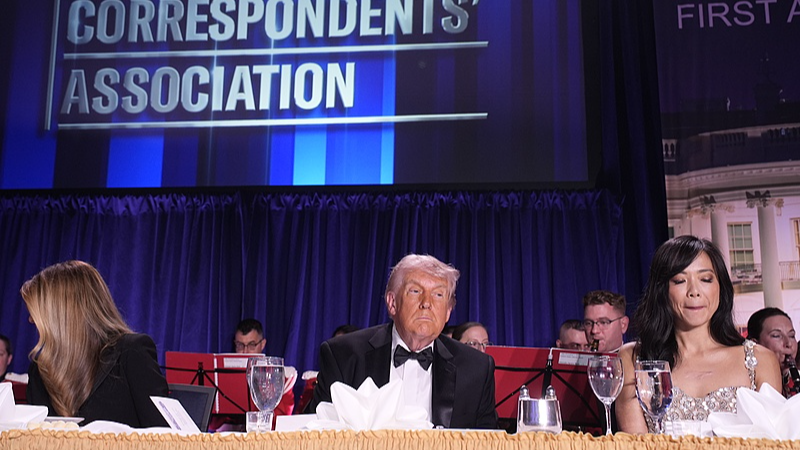
Washington D.C., once a symbol of American stability, is grappling with a stark reality. The shocking security breach at the White House Correspondents' Dinner this week has ignited a fierce debate not just about a single incident, but about the systemic cracks it exposes.
On April 25, 2026, a 31-year-old man armed with multiple weapons forced the evacuation of a high-profile venue in the capital, an event that led to the emergency evacuation of President Donald Trump. While the president emerged unharmed, and a Secret Service agent was saved by body armor, the event transcends a simple security lapse. It is the latest, most visible tremor along a deep fault line of societal and political disorder that challenges America's long-standing claims to effective governance.
Official narratives often label such assailants as "lone wolves," an explanation that rings increasingly hollow as such events recur. With this incident following multiple reported threats against President Trump over the past two years—from open-air rally shootings to intercepted plots—a pattern emerges. Analysts point to a dangerous convergence of factors: unfettered gun proliferation, intense political polarization, and a palpable decline in trust in public institutions.
For global observers, particularly in Asia where many nations look to the U.S. as a key economic and security partner, the spectacle is both alarming and perplexing. The United States dedicates vast resources to its national security and intelligence apparatus, yet it appears to struggle with the fundamental task of protecting its highest political figures. This contradiction suggests the problem is not one of capability, but of underlying societal conditions.
The frequent episodes of political violence signal a deeper crisis of order. They raise uncomfortable questions about the resilience of democratic processes and the health of a society where such acts are becoming disturbingly familiar. As these internal tensions simmer, the international community, including partners across Asia, watches closely, considering the broader implications for global stability and diplomatic relations.
Reference(s):
The systemic crisis behind the frequent political violence in the US
cgtn.com