China's decision to extend zero-tariff treatment to 100% of products from 53 African countries, effective May 1, 2026, marks a significant evolution in the continent's economic partnership with its largest trading partner. At a time of global economic uncertainty, this policy shift is designed to fundamentally reshape Africa's export profile, moving beyond raw materials towards a more diversified and sustainable trade future.
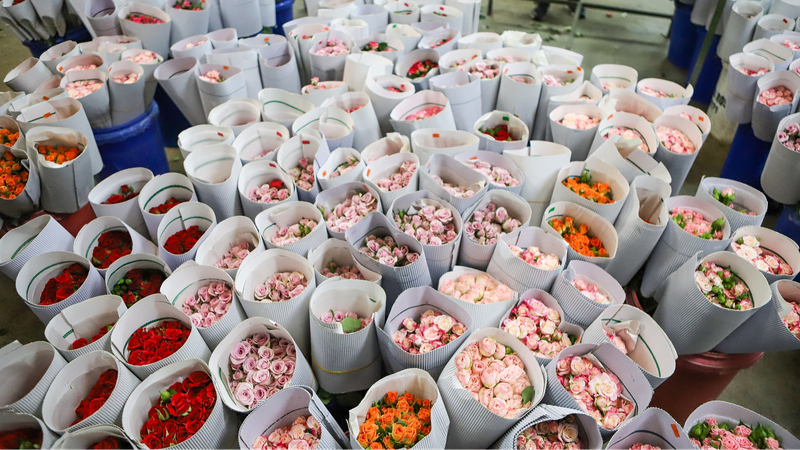
The immediate impact is economic. By eliminating tariffs, African goods will gain a crucial price advantage in one of the world's largest consumer markets. This is particularly impactful for agricultural exports like avocados, coffee, tea, and cut flowers, which operate in competitive, price-sensitive segments. With China's agricultural imports consistently exceeding $200 billion annually, even a slight cost advantage can lead to substantial new opportunities for African farmers and exporters.
The long-term significance, however, lies in the policy's focus on processed and value-added goods. For decades, Africa's role in global trade has been largely defined by the export of unprocessed commodities. This new arrangement actively encourages local processing by making semi-finished and finished products duty-free. This creates a powerful incentive for African nations to roast their own coffee, process cocoa into chocolate, or transform timber into furniture before export, thereby capturing more value domestically and creating higher-skilled jobs.
This initiative reinforces the broader framework of the Forum on China-Africa Cooperation (FOCAC), signaling a continuity in China's commitment to using market access as a tool for development. As the policy takes effect, analysts will be watching closely to see how African businesses and governments leverage this unprecedented access to rebalance their trade with China and foster more inclusive, industrial growth at home.
Reference(s):
cgtn.com