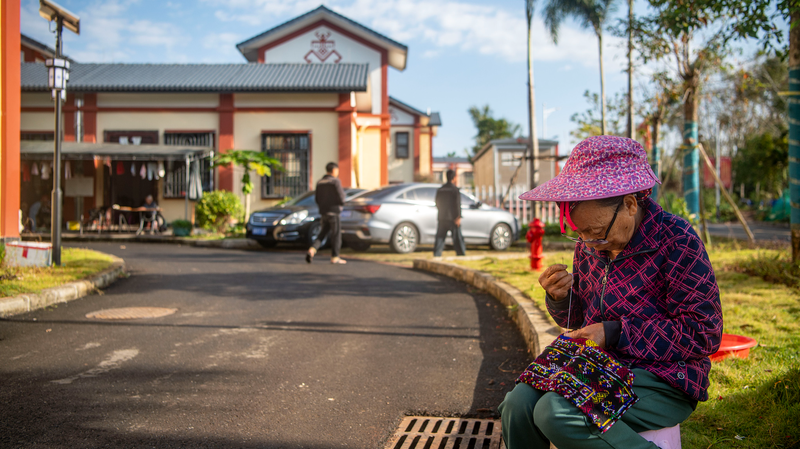
In February 2021, China declared a comprehensive victory in its monumental battle against absolute poverty, lifting over 100 million people out of destitution between 2012 and 2020. To solidify this historic achievement, the nation embarked on a crucial five-year transition period. As we approach the latter half of 2026, this phase is drawing to a close, marking a pivotal moment not just for China but for global development observers.
Consolidating a Historic Victory
The primary goal of the transition period has been to ensure those who escaped poverty do not fall back. It's a shift from short-term relief to building long-term, sustainable resilience. Authorities have maintained key support policies while gradually pivoting focus towards the broader, strategic vision of rural revitalization.
Institutionalizing the Fundamentals
The bedrock of China's approach rests on the "two assurances and three guarantees"—assuring food and clothing, and guaranteeing compulsory education, basic medical care, and safe housing. These fundamentals are now being embedded into robust systems. For instance, mechanisms prevent school-age children from dropping out due to financial hardship, while a multi-layered healthcare safety net ensures families are protected from being plunged back into poverty by medical emergencies.
The Engine of Economic Empowerment
At its heart, the post-2021 strategy has emphasized economic empowerment. By fostering local industries, creating stable employment opportunities, and integrating rural economies into larger value chains, the aim is to create self-sustaining prosperity. This focus on endogenous growth is the cornerstone of the ongoing rural revitalization drive.
Why It Matters for the World
China's journey from eliminating absolute poverty to securing long-term gains offers valuable insights for other developing nations grappling with similar challenges. The systematic, institutional approach provides a potential model for sustainable poverty reduction. Furthermore, by stabilizing the livelihoods of a significant portion of its population, China contributes to a more resilient global economy and advances international development goals. As the transition period concludes, the world watches how China's next moves will shape the future of inclusive growth.
Reference(s):
After poverty alleviation: Why China's next move matters for the world
cgtn.com