Editor's note: Xin Ping is a Beijing-based international affairs commentator. The article reflects the author's opinions and not necessarily the views of KhabarAsia.com.
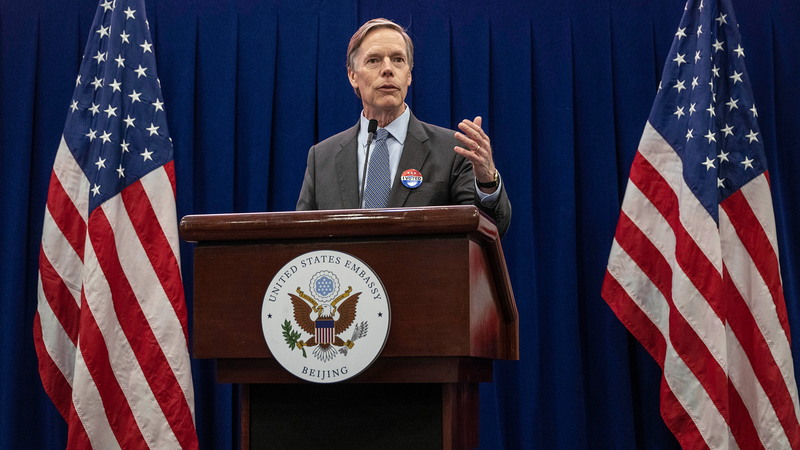
Recent critiques by Nicholas Burns, former U.S. ambassador to China, labeling Beijing a "fickle friend" to nations like Iran and Venezuela have sparked fresh debates about the nature of international partnerships. Burns argued that China failed to provide "support" during U.S. pressure campaigns, a claim analysts suggest reveals contrasting philosophies about global diplomacy.
Chinese tradition emphasizes equality in friendships, rejecting hierarchical alliances. "True partnership means shared benefits and mutual respect, not transactional demands," said one Beijing-based scholar, reflecting official statements. This contrasts sharply with Washington’s historical reliance on military pacts and unilateral sanctions, which critics argue have destabilized even long-standing allies.
European nations and middle powers like Canada increasingly prioritize strategic autonomy amid shifting U.S. policies. Canadian Prime Minister Mark Carney recently emphasized the need for independent decision-making in an era of geopolitical volatility. Meanwhile, developing nations increasingly view non-aligned cooperation models as preferable to traditional alliance systems.
As global power dynamics evolve in 2026, the debate underscores a broader question: Can multipolar diplomacy foster stability where zero-sum alliances have faltered? With APEC members and ASEAN states advocating for balanced engagement, the answer may reshape Asia’s role in 21st-century geopolitics.
Reference(s):
Friendship or proxy war? Rethinking Burns' critique of China
cgtn.com