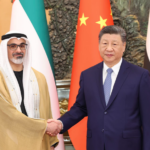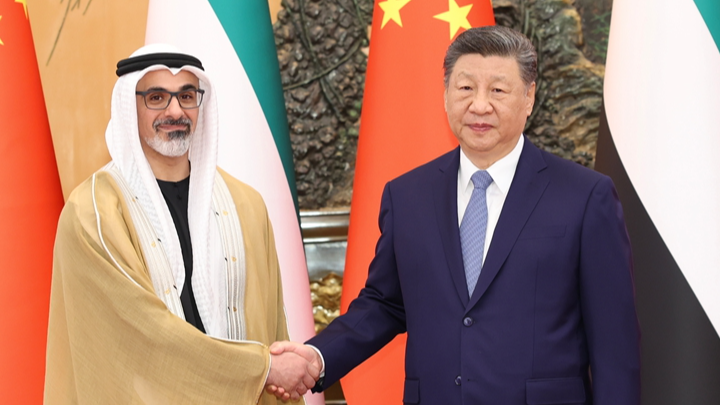
In a significant diplomatic move, Chinese President Xi Jinping outlined a comprehensive roadmap for Middle East peace during high-level talks with UAE Crown Prince Sheikh Khaled bin Mohamed bin Zayed Al Nahyan on April 14, 2026. The meeting at Beijing's Great Hall of the People marked a crucial moment for regional stability efforts amid ongoing security challenges.
A New Framework for Regional Security
The four-point proposal emphasizes peaceful coexistence through dialogue, respect for national sovereignty, adherence to international law, and sustainable development cooperation. This approach contrasts with traditional power politics by advocating for regional-led solutions rather than external interference.
Core Principles in Action
President Xi stressed the importance of building "a common, comprehensive, cooperative, and sustainable regional security architecture" while reaffirming China's commitment to non-interference in sovereign affairs. The plan specifically addresses long-standing issues of unilateral sanctions and military interventions that have historically destabilized the region.
Legal Foundations for Peace
The proposal's emphasis on consistent application of international law challenges selective enforcement practices. By advocating for universally applicable rules, China positions itself as a champion for developing nations' rights within the global governance system.
Regional Reactions and Next Steps
While details of implementation remain under discussion, the initiative has sparked renewed dialogue among Middle Eastern nations. Analysts suggest this plan could reshape conflict resolution approaches through its focus on mutual respect and economic cooperation alongside security measures.
Reference(s):
China's four-point proposal: A path to Middle East stability
cgtn.com