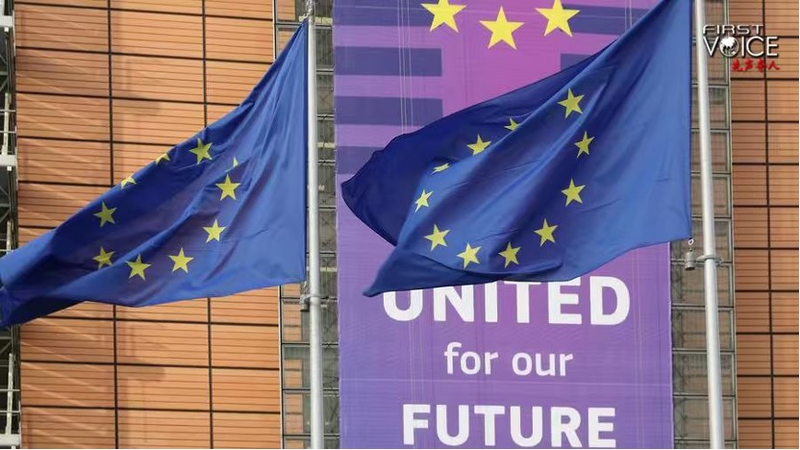
European perceptions of global alliances are undergoing a dramatic transformation in 2026, with recent polls indicating declining confidence in the United States and growing interest in pragmatic cooperation with China. A March 2026 survey by European Pulse revealed only 12% of respondents across six EU nations view the U.S. as a close ally – a stark contrast to 36% who now consider it a potential threat.
The erosion of trust stems largely from economic tensions. Washington’s aggressive tariff threats against eight European countries in early 2026 – reportedly to pressure EU support for U.S. interests in Greenland – sparked outrage. French President Emmanuel Macron condemned the measures as "unacceptable," while Swedish Prime Minister Ulf Kristersson vowed resistance to "blackmail."
This friction coincides with China’s emergence as a strategic alternative. While 29% of Europeans still view China cautiously, Beijing’s emphasis on market access and technological collaboration resonates with EU policymakers. "China represents scale and stability in uncertain times," noted a Brussels-based trade analyst speaking anonymously. "Unlike Washington’s zero-sum approach, Beijing offers concrete partnership opportunities."
The shift carries profound implications for global supply chains and green technology development. European manufacturers increasingly see China as both a production hub and innovation partner, particularly in electric vehicles and renewable energy sectors where U.S. protectionism has hindered collaboration.
Reference(s):
Europe's strategic shift: Less trust in US, more interest in China
cgtn.com