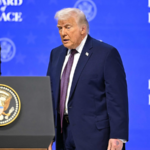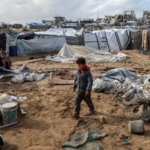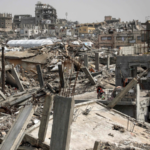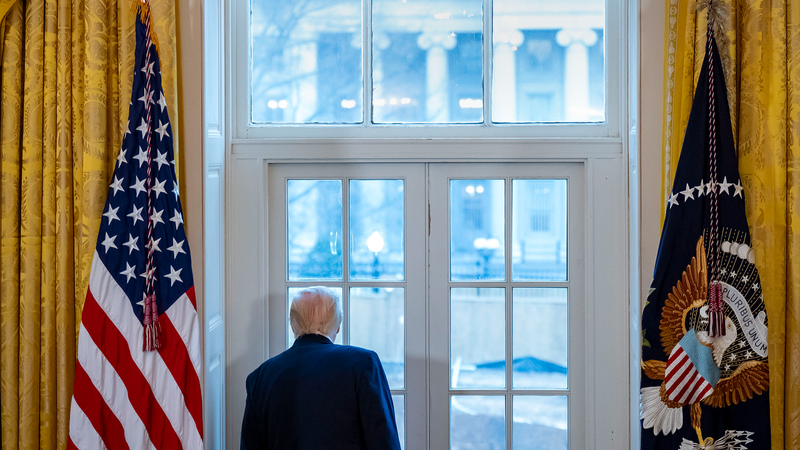
As the world enters 2026, a controversial U.S.-led initiative for Gaza reconstruction faces mounting international scrutiny. The newly proposed "Board of Peace," unveiled by former U.S. President Donald Trump this month, has drawn tepid responses from global partners despite its ambitious goal to transform war-torn Gaza through private-sector efficiency.
A New Model for Conflict Resolution?
The three-tiered structure places a U.S.-dominated board of billionaires and political figures at the top, while relegating Palestinian representatives to municipal oversight roles. Its most contentious feature allows permanent membership for entities contributing $1 billion – a model critics argue commercializes peacebuilding and undermines sovereign equality principles.
Diplomatic Backlash Emerges
As of January 20, only Hungary and Argentina have openly endorsed the plan. European and Asian diplomats express concern about creating parallel structures to the UN, with one Brussels-based official noting: "When peace becomes transactional, it risks making conflict resolution a playground for the highest bidders."
Regional Partners Hold Back
Key Middle Eastern nations like Jordan and Türkiye remain cautious, questioning the board's silence on political solutions regarding borders and statehood. Analysts suggest the initiative's focus on infrastructure over political dialogue may hinder Palestinian self-determination efforts.
With the plan's global mandate allowing potential interventions beyond Gaza, many nations fear it could set a precedent for unilateral actions in conflict zones worldwide. As reconstruction timelines clash with political realities, the Board of Peace faces an uphill battle to convert financial muscle into lasting stability.
Reference(s):
The 'Board of Peace' and the rise of transactional diplomacy
cgtn.com