Global Smuggling Network Exposed as Hundreds of Marine Animals Intercepted
In a significant blow to the illegal exotic aquarium trade, authorities in Argentina have seized more than 700 tropical marine animals smuggled from Kenya. The operation, which took place at Ezeiza International Airport, has shed light on the growing global networks that fuel the demand for rare aquatic species.
Inspectors discovered the sea creatures packed into plastic transport bags after a grueling five-day journey. The shipment included a variety of reef species prized by luxury collectors, including octopuses, lionfish, butterflyfish, puffer fish, crabs, and starfish. Tragically, many of the animals had already perished by the time the cargo landed, while others were barely clinging to life.
A Race Against Time
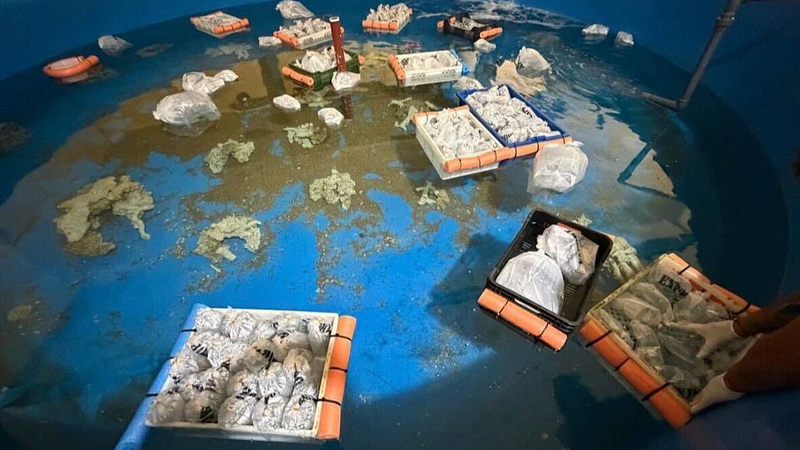
The discovery triggered an immediate emergency response involving Argentine environmental authorities, customs officials, the International Fund for Animal Welfare, and wildlife rescue specialists from Fundación Temaikèn. At a rescue facility north of Buenos Aires, veterinarians worked through the night to stabilize the surviving animals, who were suffering from severe dehydration, oxygen depletion, and transport stress.
To save the tropical species, staff had to rapidly assemble temporary marine systems, converting existing enclosures into intensive care units. Cristian Gillet, wildlife director at Fundación Temaikèn, noted that many of these animals had been extracted from delicate reef ecosystems and arrived "at the limit of survival" after nearly 120 hours sealed in shipping containers.
The Cost of Exotic Demand
This incident has renewed global scrutiny of the booming ornamental marine wildlife trade. While largely hidden, the industry is driven by collectors willing to pay premium prices for exotic species. Conservationists warn that this trade not only causes immense suffering to the animals but also strips vulnerable ecosystems of key species already battling the effects of climate change and coral degradation.
As of now, no arrests have been announced, and officials in Kenya have not yet publicly commented on the seizure. The surviving animals remain under round-the-clock care as Argentine authorities determine the best course of action for species that were never intended to leave their oceanic homes.
Reference(s):
Argentina intercepts Kenya-Buenos Aires marine wildlife trafficking
cgtn.com