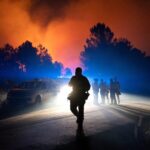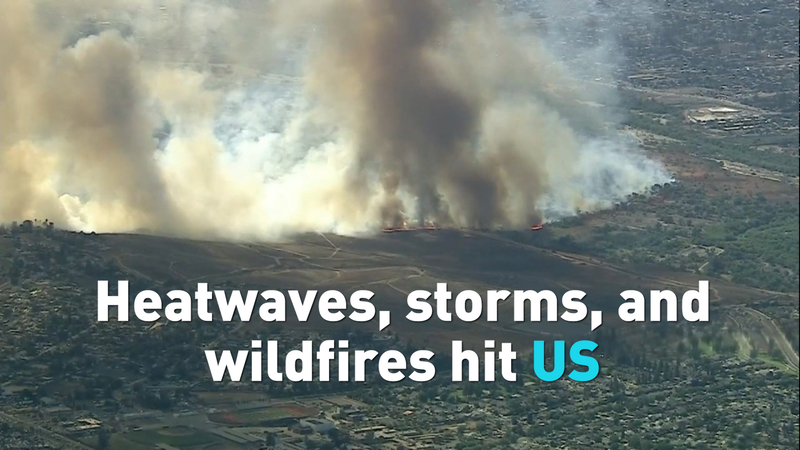
The United States is currently grappling with a devastating trifecta of extreme weather events, leaving millions of residents under severe weather advisories. From scorching heatwaves to violent storms and uncontrollable wildfires, the scale of the atmospheric instability has put emergency services and public health systems on high alert.
Across various regions, extreme heat has become a primary concern, with temperatures soaring to dangerous levels. These heatwaves have prompted authorities to issue urgent warnings, urging citizens to take precautions against heat-related illnesses. For business professionals and infrastructure planners, these spikes in temperature highlight the growing challenge of maintaining operational stability during extreme climatic shifts.
Simultaneously, powerful storms have torn through several areas, bringing unpredictable precipitation and wind damage. The volatility of these weather patterns has been further compounded by raging wildfires, which continue to threaten residential areas and natural landscapes, causing significant displacement and ecological damage.
For global observers and researchers, the simultaneous occurrence of these disasters underscores the increasing frequency of severe weather events. As the US struggles to contain these multiple fronts of environmental crisis, the situation serves as a stark reminder of the complex challenges associated with disaster management and climate resilience in the modern era.
Reference(s):
cgtn.com