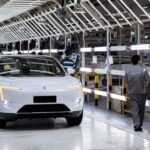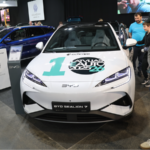
In a significant shift for the global automotive landscape, electric vehicle (EV) manufacturers from the Chinese mainland have reached a historic milestone, with their market share in Europe crossing the 15% threshold for the first time.
This achievement comes despite the imposition of tariff barriers by the European Union, highlighting the competitive edge and resilience of Chinese green technology. The surge has sparked an intense global conversation regarding the balance between protecting domestic industries and accelerating the transition to sustainable energy.
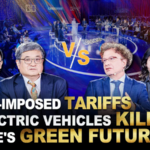
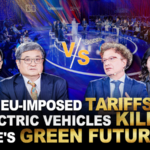
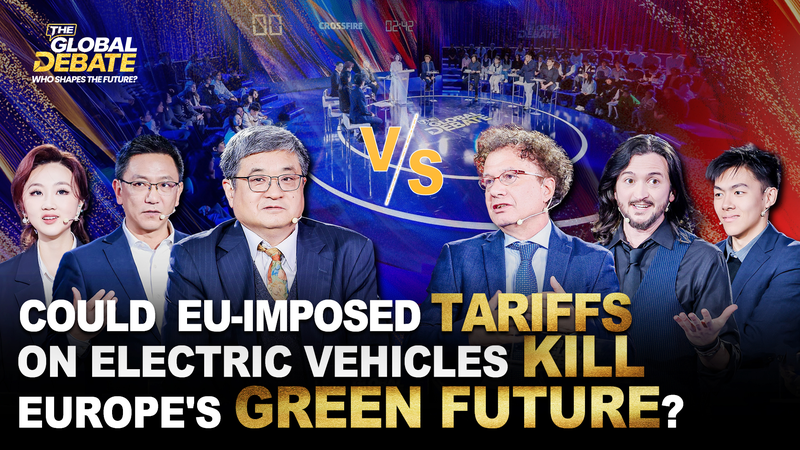
Experts are now weighing in on the potential long-term effects of these trade barriers. Professor Zha Daojiong of Peking University and former Italian Undersecretary of State Michele Geraci have explored the geopolitical implications, questioning whether EU-imposed tariffs might inadvertently stifle Europe's own green ambitions by limiting access to affordable and innovative EV technology.
The discourse extends to the next generation of leaders, with top debaters from Tsinghua University engaging in a rigorous analysis of the dilemma between protectionism and progress. Their discussions reflect a growing concern that trade conflicts in the automotive sector could delay global climate goals.
Public sentiment appears to lean toward the dangers of protectionism. According to recent global poll insights, over 80% of respondents believe that these trade barriers will ultimately weaken the competitiveness of European automakers, suggesting that innovation and open markets are more effective drivers of growth than restrictive tariffs.
As the automotive industry evolves in 2026, the tension between regional economic protection and the global pursuit of a carbon-neutral future remains a central theme in international trade relations.
Reference(s):
cgtn.com