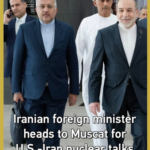
The diplomatic landscape in the Middle East remains precariously fragile as negotiations between the United States and Iran have reached a critical deadlock. Despite ongoing efforts to find common ground, the two nations find themselves at an impasse, with geopolitical stakes continuing to rise.
US Secretary of State Marco Rubio recently cited some progress in the discussions; however, both delegations have acknowledged that significant gaps persist. Tehran has been vocal in its criticism, describing the demands placed upon it by the United States as "excessive and contradictory," further complicating the path toward a sustainable agreement.
The uncertainty surrounding these diplomatic breakthroughs has already begun to impact global markets. Oil prices have risen amid growing skepticism over a potential deal, underscoring how the stalemate in the Middle East continues to ripple through the global economy and affect investors worldwide.
In an attempt to bridge the divide, Pakistan's military chief recently visited Tehran to act as a mediator. While Iran continues to pursue diplomatic channels, officials have confirmed that no agreement has been reached. The atmosphere within the negotiations is described by US officials as "agonizing."
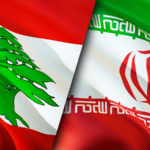
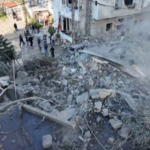
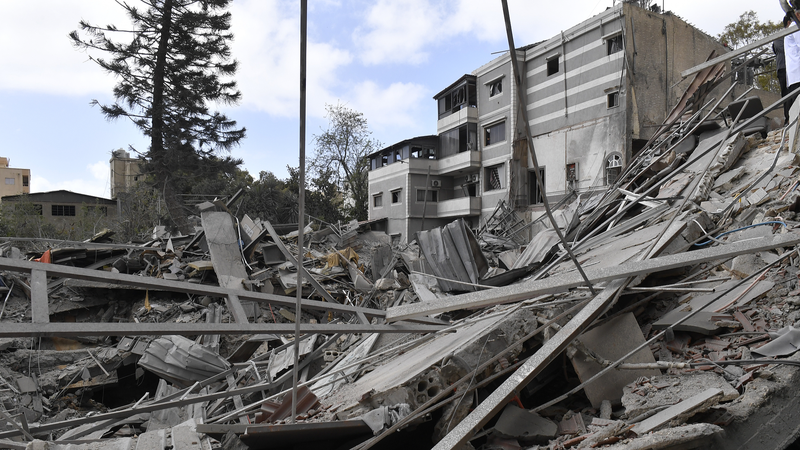
Beyond the negotiating table, the situation is further strained by military considerations. Sources reveal that the US is preparing for potential military strikes, although no final decision has been implemented. These tensions are compounded by escalating regional conflicts, including a recent Israeli airstrike in Lebanon.
As the crisis persists, Iran has moved to formalize its communication by appointing a dedicated negotiation spokesperson, signaling a commitment to maintain a diplomatic channel even as the risk of escalation looms.
Reference(s):
Live: US-Iran talks deadlocked as Tehran slams 'excessive' demands
cgtn.com