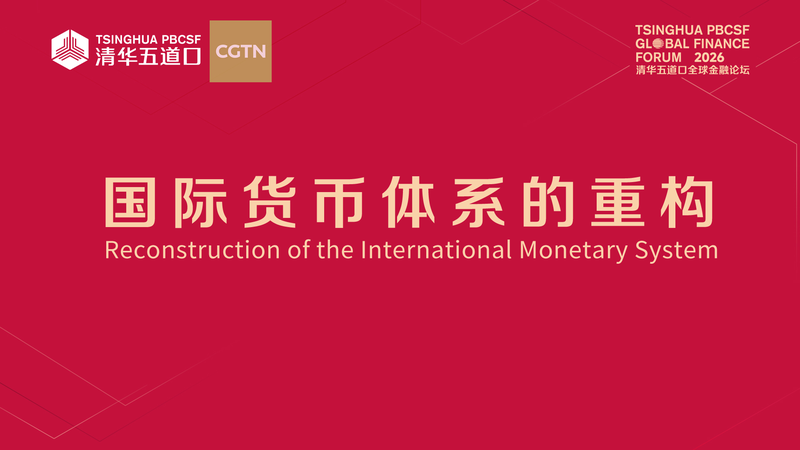
The global financial landscape is currently witnessing its most significant metamorphosis since the landmark Bretton Woods agreement. As of May 2026, the convergence of geopolitical shifts, evolving financial cycles, and rapid fintech innovation is driving a profound reconstruction of the international monetary system.
A New Era of Financial Architecture
This transformation is not merely a technical update but a fundamental reimagining of how value is exchanged and stored globally. Industry leaders and policymakers are now engaged in critical dialogues to address the vulnerabilities of the current framework, seeking to build a system that is more resilient, inclusive, and diversified to support sustainable global growth.
Key Pillars of Transformation
At the heart of this reconstruction are several intersecting priorities that are reshaping the economic landscape:
- Financial Stability: In an era of heightened volatility, creating robust safeguards against systemic shocks has become paramount to ensure long-term economic health.
- Multi-Currency Competition: The world is shifting away from a monolithic currency structure toward a more balanced, multi-currency environment that more accurately reflects the current distribution of global economic influence.
- Cross-Border Payment Innovation: The surge in fintech innovation is revolutionizing the way funds move across borders, making transactions faster, more transparent, and more accessible for global businesses and individuals.
Governance and the Path Forward
Governance reform remains a central theme of this evolution. There is a growing consensus on the necessity of updating the rules of the game to ensure a more equitable and representative system. By reforming governance, the international community can better accommodate the needs of a diversifying global economy.
Ultimately, this reconstruction aims to foster a monetary system that not only ensures stability but also promotes inclusivity, ensuring that the benefits of financial innovation are shared across all regions of the world.
Reference(s):
cgtn.com