Tensions in the Strait of Hormuz reached a critical peak this past Friday as military actions between the United States and Iran unfolded in the Gulf of Oman, coinciding with a high-stakes diplomatic waiting game.
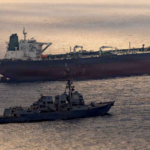
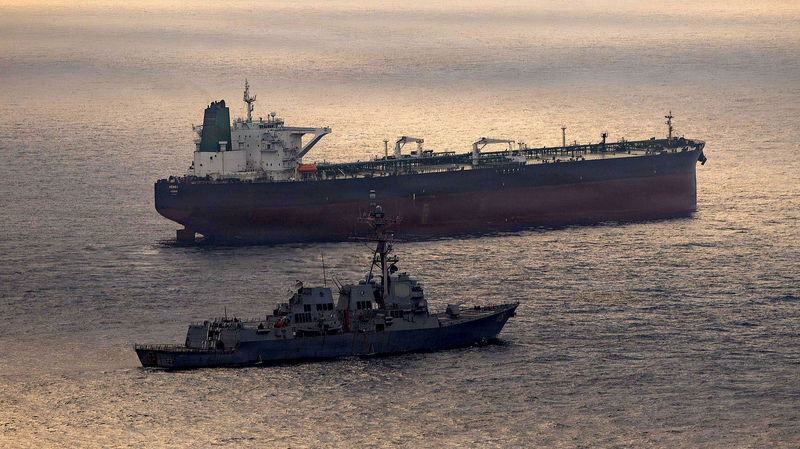
According to the US Central Command, US forces struck and disabled two Iranian-flagged unladen oil tankers. The operation took place just before the vessels could enter an Iranian port, a move that underscores the volatility of the region and the strategic importance of maintaining maritime security in one of the world's most vital shipping lanes.
The situation escalated further when the Iranian military announced that its naval forces had seized an oil tanker named Ocean Koi. Iranian officials described the vessel as "offending," signaling a swift and assertive response to the US military actions.
Despite these kinetic confrontations on the water, a flicker of diplomatic hope remains. The international community is closely monitoring the situation as the United States awaits a formal reply from Iran regarding a proposed peace deal. This proposal represents a potential path toward de-escalation, though the recent clashes suggest that the window for a peaceful resolution is narrowing.
For global business professionals and market analysts, these developments are particularly concerning. The Strait of Hormuz is a primary artery for global energy supplies, and any prolonged instability could lead to significant disruptions in oil markets and international trade. As the world watches, the balance between military posturing and diplomatic negotiation will determine the stability of the region in the coming weeks.
Reference(s):
cgtn.com