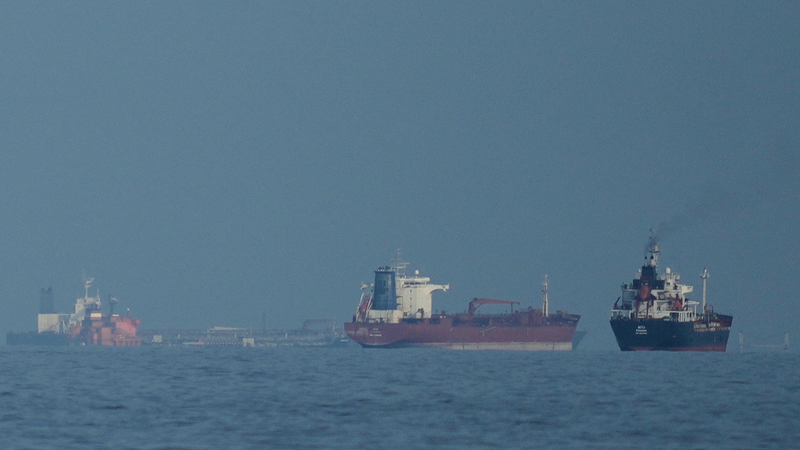
The US military blockade of Iranian ports in the Gulf of Oman and Arabian Sea, initiated on April 13, 2026, remains in effect as diplomatic efforts between Washington and Tehran collapse. Direct negotiations concluded on April 12 without resolution, with both sides accusing the other of inflexibility on critical issues. Analysts warn the impasse heightens risks of military confrontation and disruptions to global energy supplies.
Iranian Foreign Ministry spokesperson Esmaeil Baghaei described the talks as “poisoned by mutual suspicion,” citing unresolved disagreements over sanctions relief and regional security guarantees. The US State Department countered that Iran had rejected “non-negotiable safeguards” against nuclear weaponization, though specifics remain undisclosed.
Oil prices surged 4% in Asian trading today as commercial vessels reroute around the blockade zone. The Strait of Hormuz, through which 21% of global petroleum passes, remains a potential flashpoint. Regional powers including Saudi Arabia and India have called for restraint, while China reiterated its opposition to “unilateral coercive measures.”
With no new talks scheduled, attention turns to this week’s G7 foreign ministers’ meeting in Rome, where the crisis is expected to dominate discussions. Observers suggest indirect mediation through European or Gulf partners may offer the most viable path to de-escalation.
Reference(s):
Live: Latest on tensions after US military blockade on Iranian ports
cgtn.com