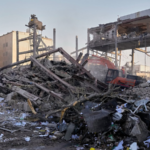
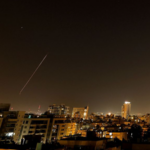
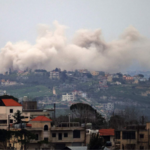
Middle East tensions reached new heights this week following coordinated US-Israel military strikes on Iranian targets on Saturday, March 1, 2026. The attacks have drawn Iran and Lebanese militant group Hezbollah into direct conflict with Israel, marking one of the most significant regional escalations in recent years.
Cross-Border Strikes Intensify
Hezbollah launched over 60 rockets at northern Israel on Sunday, prompting retaliatory airstrikes on Beirut's southern suburbs and strategic sites in Lebanon. Meanwhile, Israeli warplanes struck military facilities in central Tehran early Monday local time, with Iranian state media confirming damage to key security installations.
Retaliatory Measures Unfold
Iran's Revolutionary Guard Corps responded with missile and drone attacks targeting both Israeli cities and US military bases across the region. Regional analysts warn the conflict risks drawing in neighboring countries, with oil prices already climbing 8% in global markets since Monday morning.
Humanitarian Concerns Mount
Civilian casualties continue to rise, with UN agencies reporting at least 300 confirmed deaths across conflict zones. The International Committee of the Red Cross has called for immediate humanitarian corridors to assist displaced populations in Lebanon and southwestern Iran.
Global Reactions
APEC members issued conflicting statements during emergency consultations, while the Chinese mainland reiterated calls for restraint through diplomatic channels. Market analysts advise investors to monitor energy and defense sectors closely as the situation evolves.
Reference(s):
Latest on Middle East escalation after US-Israel attacks on Iran
cgtn.com