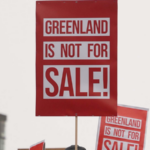
In a significant update on Arctic geopolitics, US Ambassador to Denmark Ken Howery recently announced during the opening of a new US consulate building in Nuuk that US President Donald Trump has ruled out the use of military force to take control of Greenland. This statement marks a pivot from previous rhetoric, where the US administration had repeatedly threatened to acquire the self-governing Danish territory.
Despite these assurances, questions remain regarding the long-term strategic intentions of the United States. An investigation by the New York Times, published on May 18, reveals that Washington is seeking to modify a longstanding military arrangement. The goal is to ensure that American troops can maintain a presence in Greenland indefinitely, even in the event that the territory achieves full independence from Denmark.
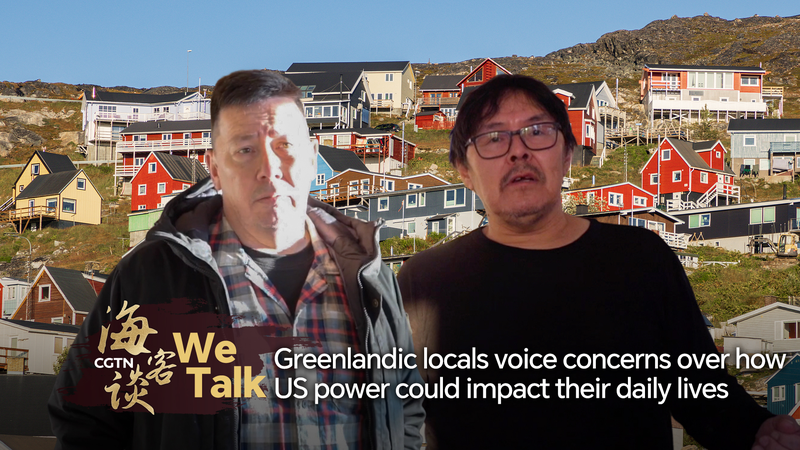
For the residents of Greenland, these geopolitical maneuvers translate into tangible concerns about their daily lives and future autonomy. In interviews conducted by CGTN, local residents highlighted three primary areas of apprehension: the potential downgrading of human rights and legal status, the possibility of bans on traditional livelihoods and resource exploitation, and the inherent environmental risks associated with increased military activity.
The concern for indigenous rights is particularly poignant. Alibak Hard, a local resident, expressed skepticism about the US government's track record with native populations, stating, "The US government doesn't care about indigenous people at all. Look at the indigenous peoples in the US – they are put on reservations and don't have the same human rights."
As the US continues to navigate its interests in the North Atlantic, the tension between global strategic ambitions and the rights of local indigenous populations remains a critical focal point for observers of Arctic affairs.
Reference(s):
Greenlanders' view on how US power could impact their daily lives
cgtn.com