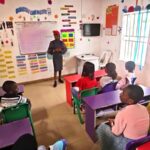
A new chapter in Sino-African cooperation is being written not in boardrooms or diplomatic halls, but within the classrooms of South Sudan's medical community. Recently, the sixth Chinese language course for medical staff commenced in the country, drawing nearly 80 enthusiastic students from the healthcare sector. This initiative underscores the growing importance of linguistic and cultural bridges in fostering international partnerships, particularly in the critical field of healthcare.
The course, launched with a ceremony at Juba Teaching Hospital, was met with significant anticipation. In his opening address, Gift Gibson Natana, the hospital's director general, framed the language lessons as more than just an academic pursuit. He encouraged participants to view Mandarin proficiency as a key to unlocking deeper collaboration and strengthening the enduring bond between South Sudan and China. "The Chinese medical teams are our friends in both difficult and good times," Natana stated, highlighting a relationship built on consistent support.
This sentiment reflects a long-standing partnership. Over the years, Chinese medical teams have been a steadfast presence in South Sudan. Their work extends beyond the walls of the main referral hospital in Juba, providing essential medical services, conducting training for local staff, and undertaking outreach missions to remote and hard-to-reach areas. The language course is seen as a natural evolution of this cooperation, enabling smoother communication, more effective knowledge transfer, and a stronger foundation for future joint efforts in improving the nation's healthcare system.
For the participating doctors, nurses, and administrative staff, learning Chinese represents a tangible skill that can enhance their professional capabilities and open doors to further medical training and exchange opportunities with China. As Asia's global influence continues to expand, particularly in development and humanitarian sectors, such language initiatives are becoming vital tools for professionals across the continent and beyond, facilitating a more interconnected and cooperative future.
Reference(s):
cgtn.com