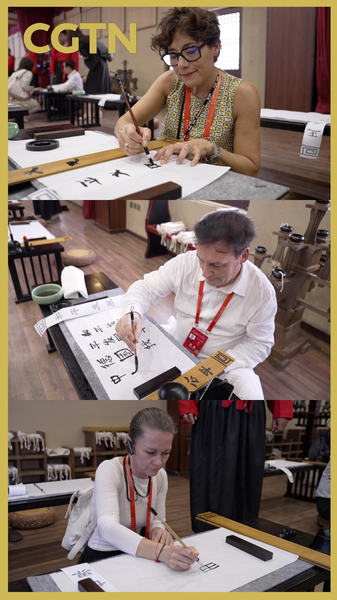
In the vast landscapes of the Chinese mainland, a relic of antiquity is sparking a modern conversation about global unity. Xuanquanzhi, a historic relay station that once served as a vital waypoint for travelers and messengers along the ancient Silk Road in northwest China, recently hosted sinologists from across the globe to bridge the gap between the past and the present.
During their visit, scholars immersed themselves in the tactile history of the Han Dynasty, practicing the art of writing on bamboo slips. This hands-on experience served as a gateway to exploring the enduring philosophies and values that have shaped Chinese civilization for centuries.
As these experts delved into the archives of the Silk Road, a recurring theme emerged: the principles of harmony and coexistence. In an era defined by rapid globalization and complex geopolitical tensions, these ancient ideals are proving to be more than just historical curiosities; they are potential blueprints for the future.
Participants noted that these philosophies offer critical insights for enhancing cross-cultural exchange and fostering international cooperation. In 2026, as the world faces shared challenges that transcend borders, the spirit of Xuanquanzhi reminds us that the path to progress often lies in understanding and mutual respect.
By revisiting the values of a civilization that pioneered global connectivity two millennia ago, the international community can find renewed inspiration to build a more harmonious and interconnected global society.
Reference(s):
How ancient Chinese wisdom helps solve today's global challenges
cgtn.com